I work with folks who want to make the world a better place.
Scroll to begin
Origins
Why I Do What I Do
I grew up in a family that didn’t have much money, but I had good parents who gave me something far more valuable. They taught me to work hard, to treat people with dignity, to care about what happens to others, and that when you’re in a position to help someone, you should.
Growing up in poverty also gave me perspective. I knew what it meant for a family to worry about money, and I learned early that circumstances have very little to do with a person's worth, ability, or willingness to work. That understanding has stayed with me and shaped most of the important choices I’ve made since.
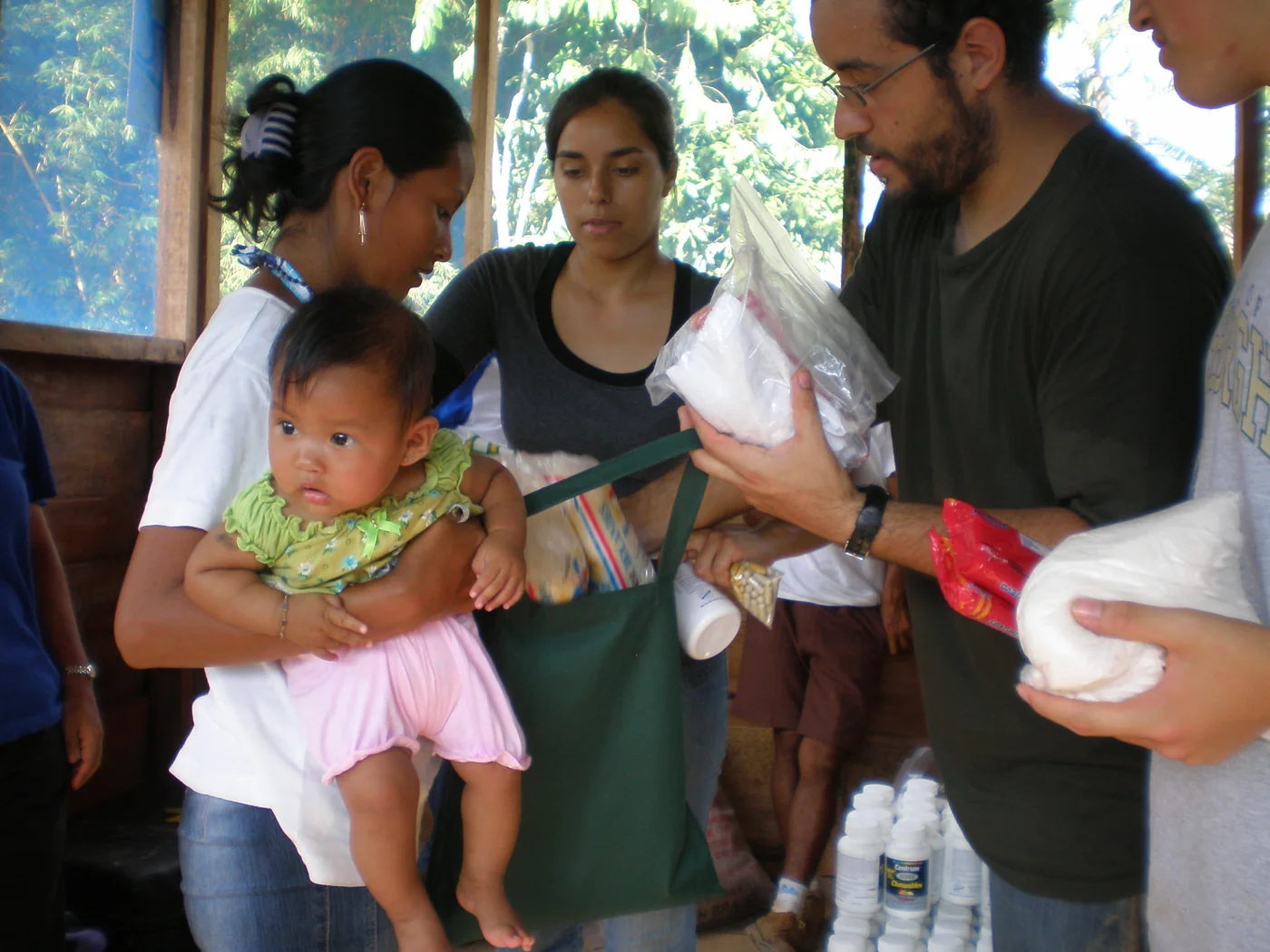
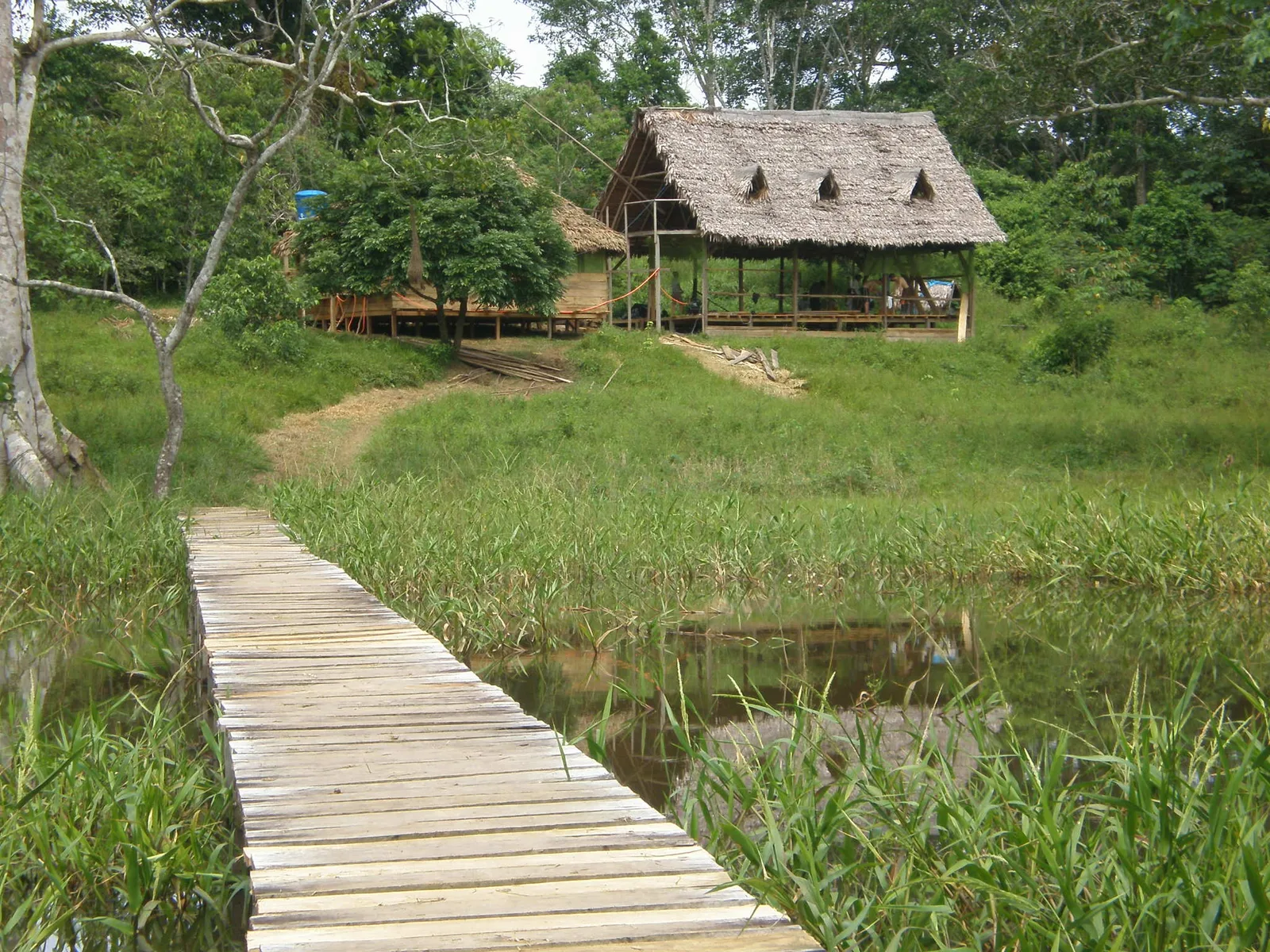
Before and during college, I spent time overseas as a humanitarian aid missionary, serving in some of the poorest communities in the world. That work took me into the Amazon rainforest of Peru, the barrios of the Dominican Republic, and communities along the Haitian frontier.
Those experiences changed the way I saw the world.
The places were different, the languages and cultures were different, but people wanted many of the same things: dignity, opportunity, security, and the chance to build a better life for their families.
They also left me with a conviction that serving the greater good should be more than something you do every once in a while. I wanted it to be a meaningful part of my life.
The AmazonPeruDominican RepublicThe mission field
That was a large part of why I went to law school.
I never really set out to become a lawyer. I saw law school as a way to better understand business, institutions, government, and how the world works. I wanted to understand the rules behind the institutions that shape people's lives and, hopefully, learn how to make some of them work better.
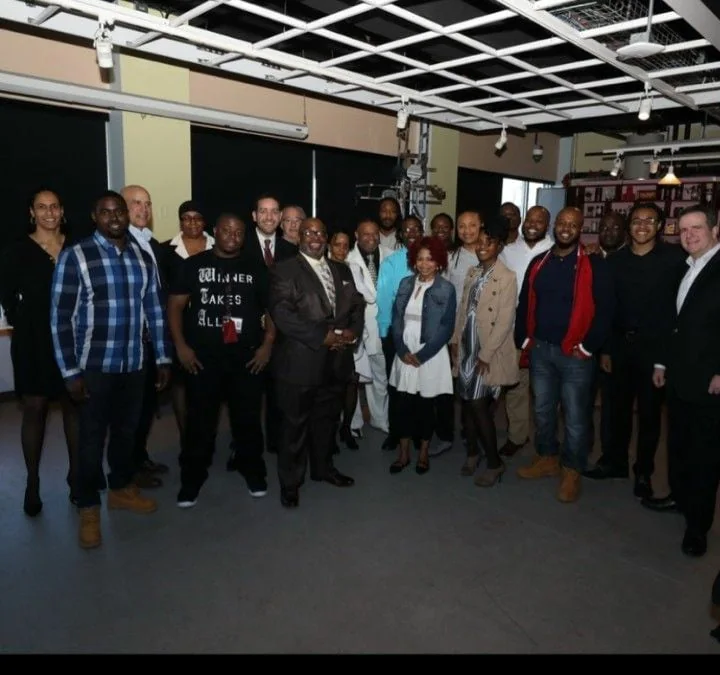
After law school, I spent several years in business. Even there, I found myself gravitating toward work that created opportunities for others. One of the projects I’m proudest of from that period was helping co-develop a workforce development initiative in Atlantic City designed to connect at-risk young people with training, employment, and a path toward something better.
Workforce development program, Atlantic City.
Over time, though, I realized I needed service to be more than something I did alongside a profession.
If i could manage it, I wanted it to be my profession.
So, several years after graduating from law school, I sat for the bar and began looking for ways to put that education to use in service of others. Plan A was to serve as a military JAG attorney. That didn’t work out, but the reason I tried didn’t change.
I kept looking for other ways to serve.
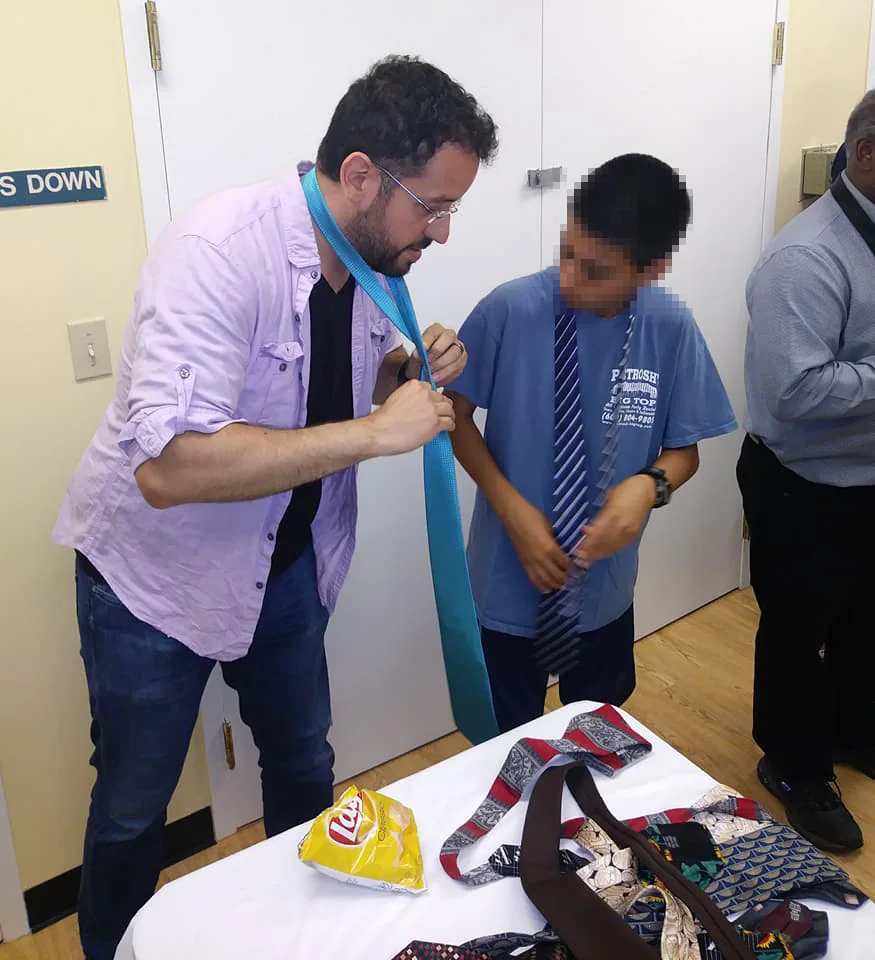
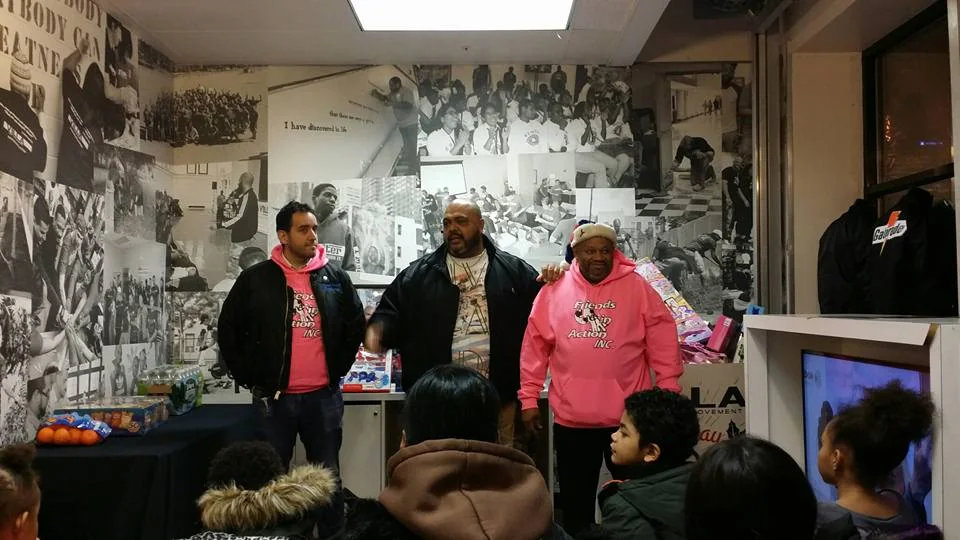
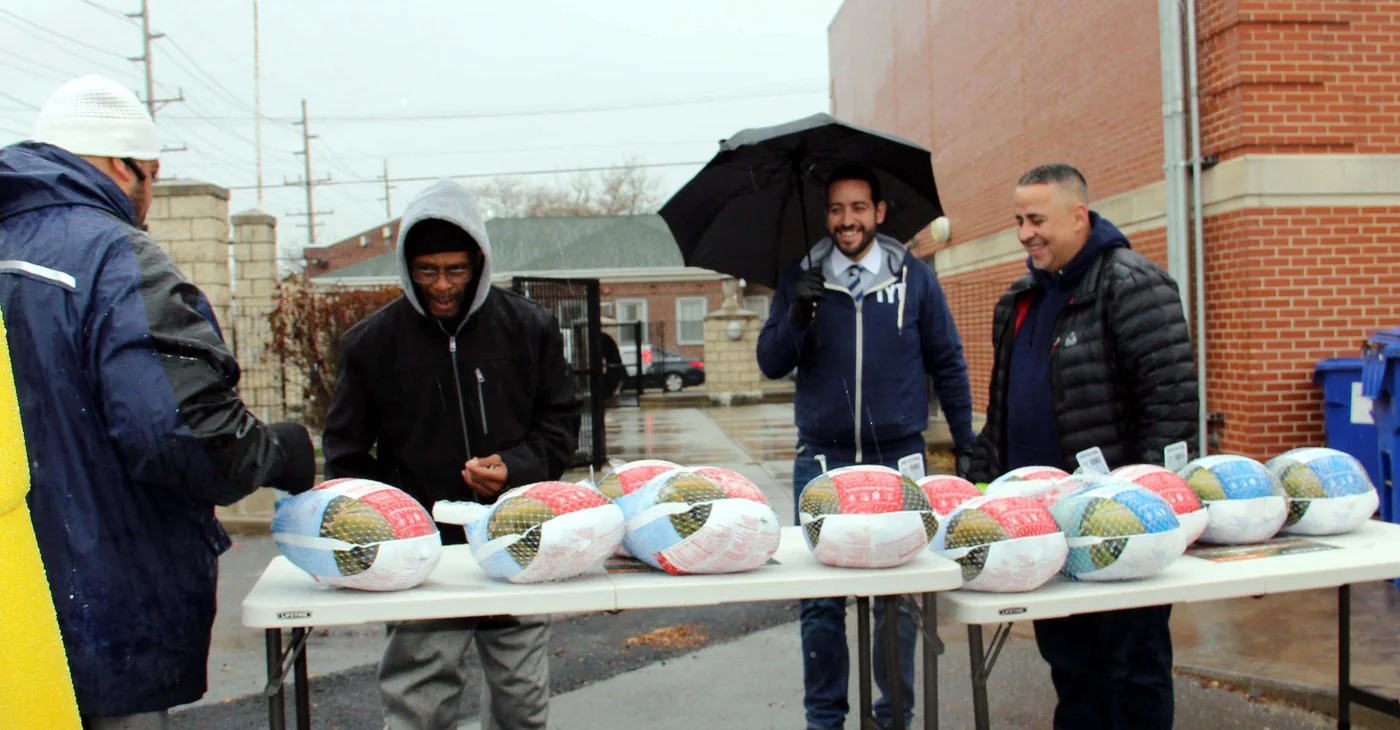
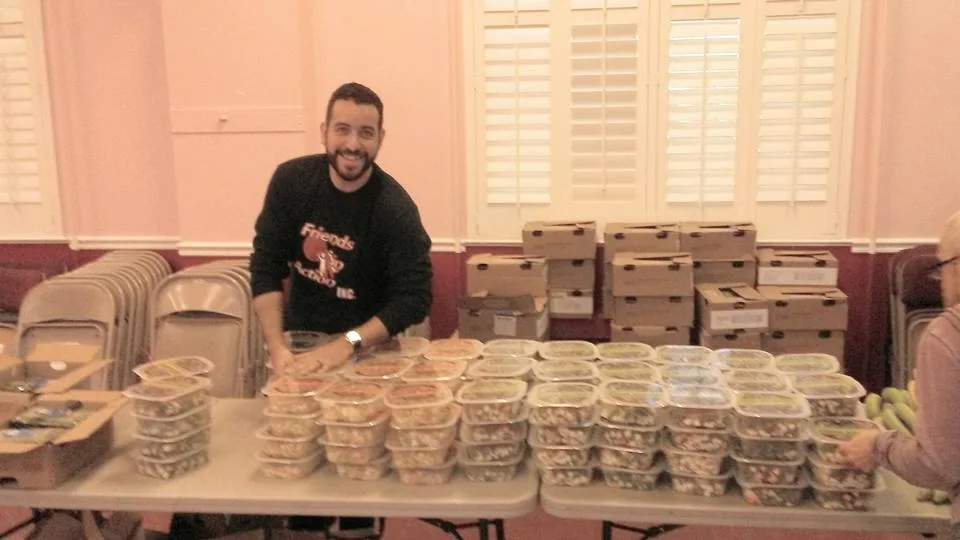
That led me deeper into nonprofit work, including organizations focused on Hispanic arts and culture, alleviating poverty and food insecurity, and strengthening communities. Sometimes my contribution was legal. Sometimes it was organizational. And sometimes service simply meant showing up.
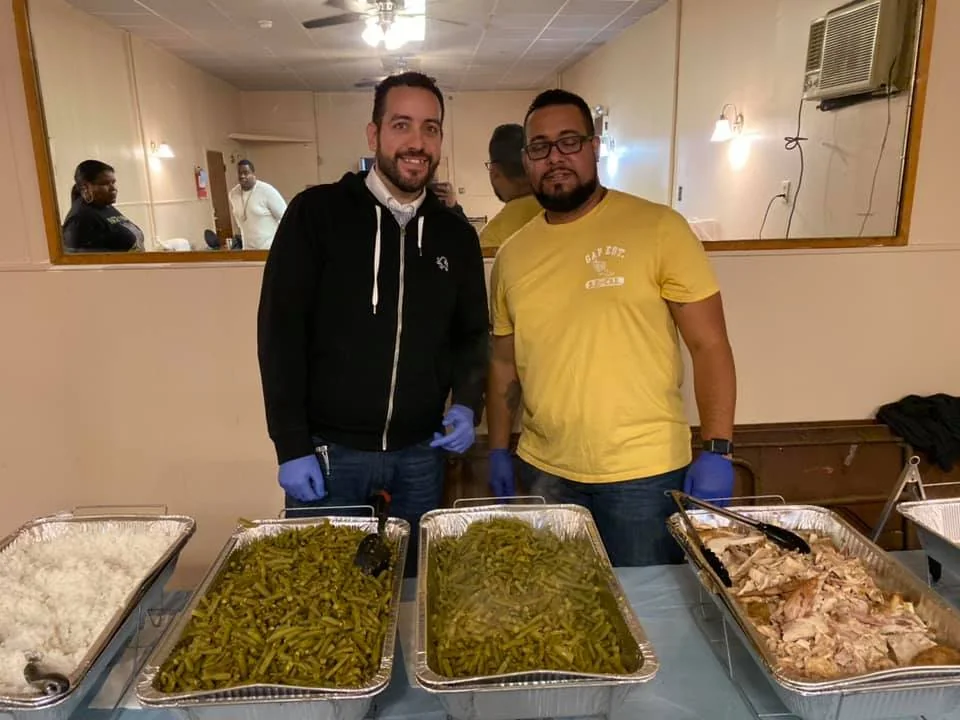
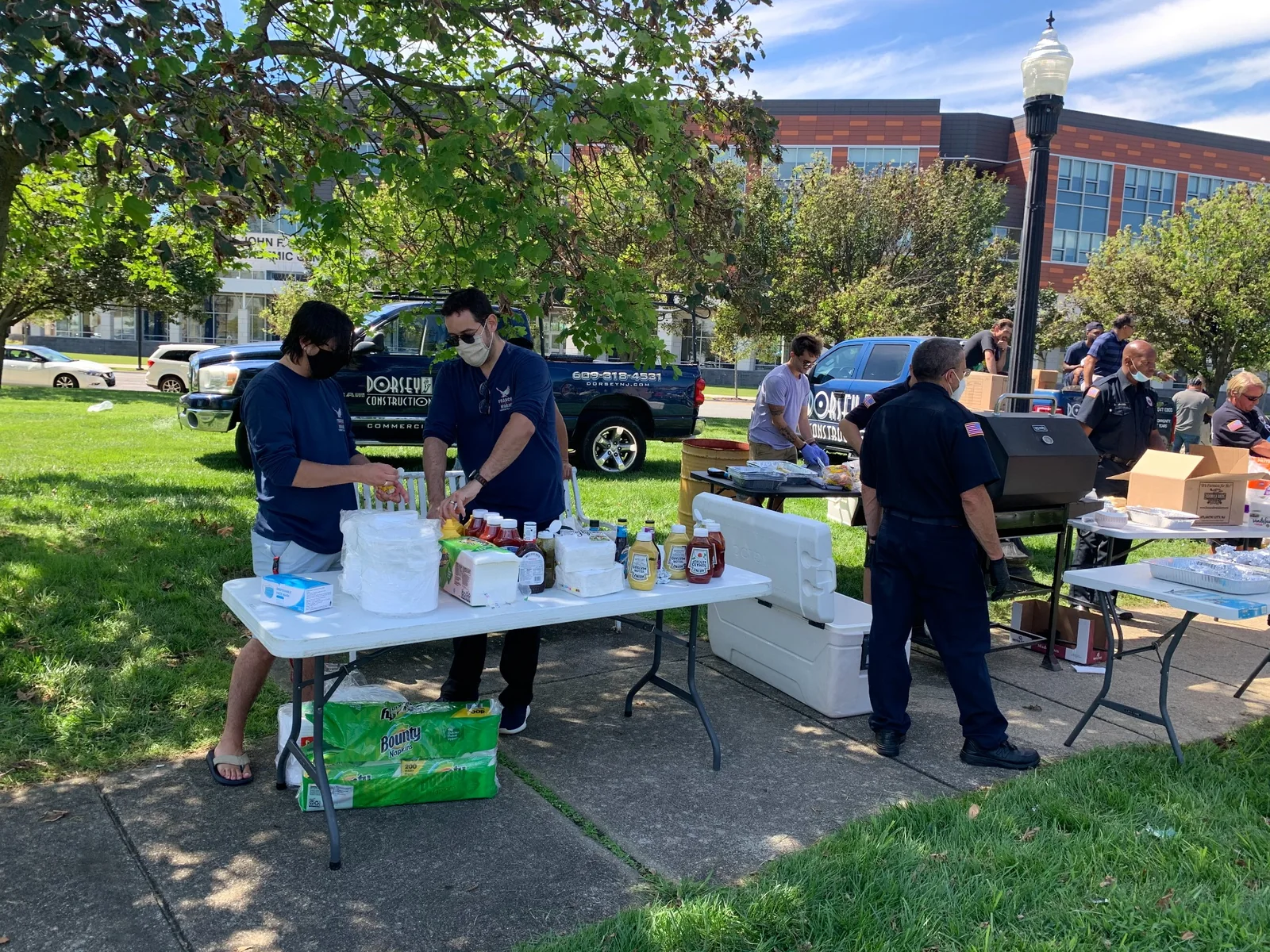
Over the years, that’s meant serving meals, participating in food drives, volunteering at food pantries, helping community organizations, and doing whatever needed to be done.
I’ve never thought that helping people requires a particular title.
Showing up
Showing Up
Serving meals with the Salvation ArmyFaces 4 AutismChristmas toy distributionThanksgiving turkey driveServing at the food bankDelivering hot meals with Prince Hall Lodge No. 27Back-to-school drive with the Atlantic City Fire Department
2015
Civic life
Then, in 2015, my understanding of service changed again.
I began learning more about the corrosive influence of moneyin American politics and forsaw how it would distort a democracy that’s supposed to belong to all of us.
So I got involved.
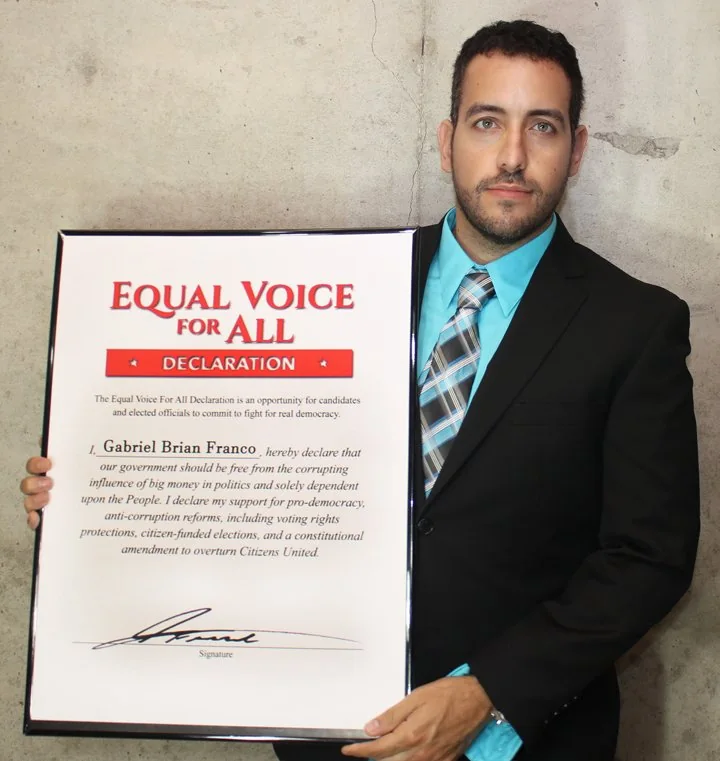
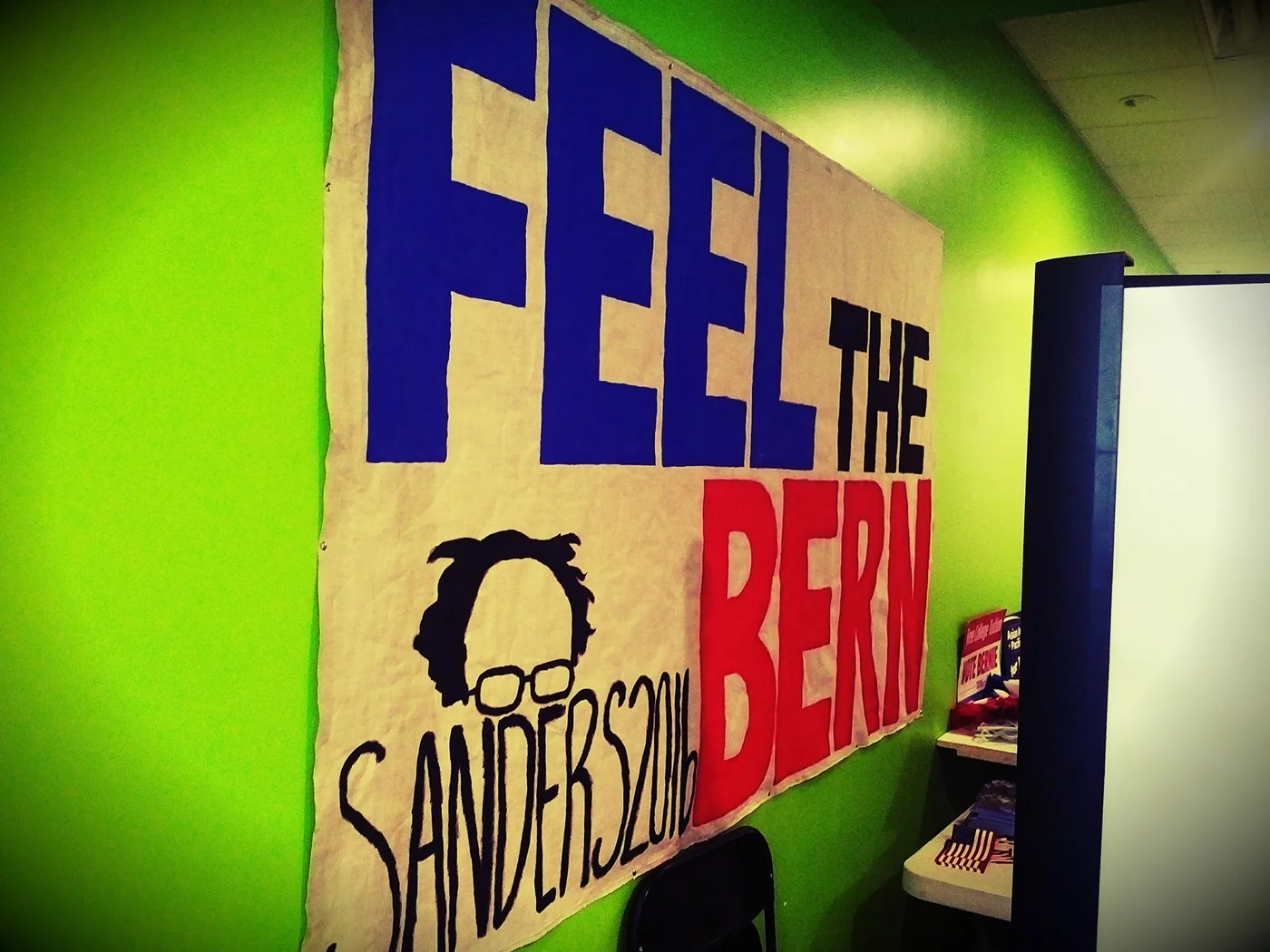
I volunteered with Wolf-PAC and RepresentUs. I became involved with Bernie Sanders' presidential campaign, serving as one of his nonpartisan voter protection attorneys. Eventually, I joined thousands of other Americans in a march from Philadelphia to Washington, D.C., calling for an end to corruption and the influence of money in politics.
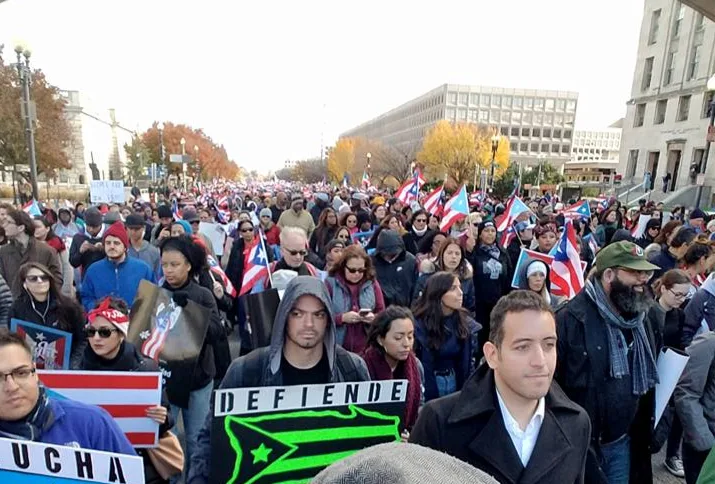
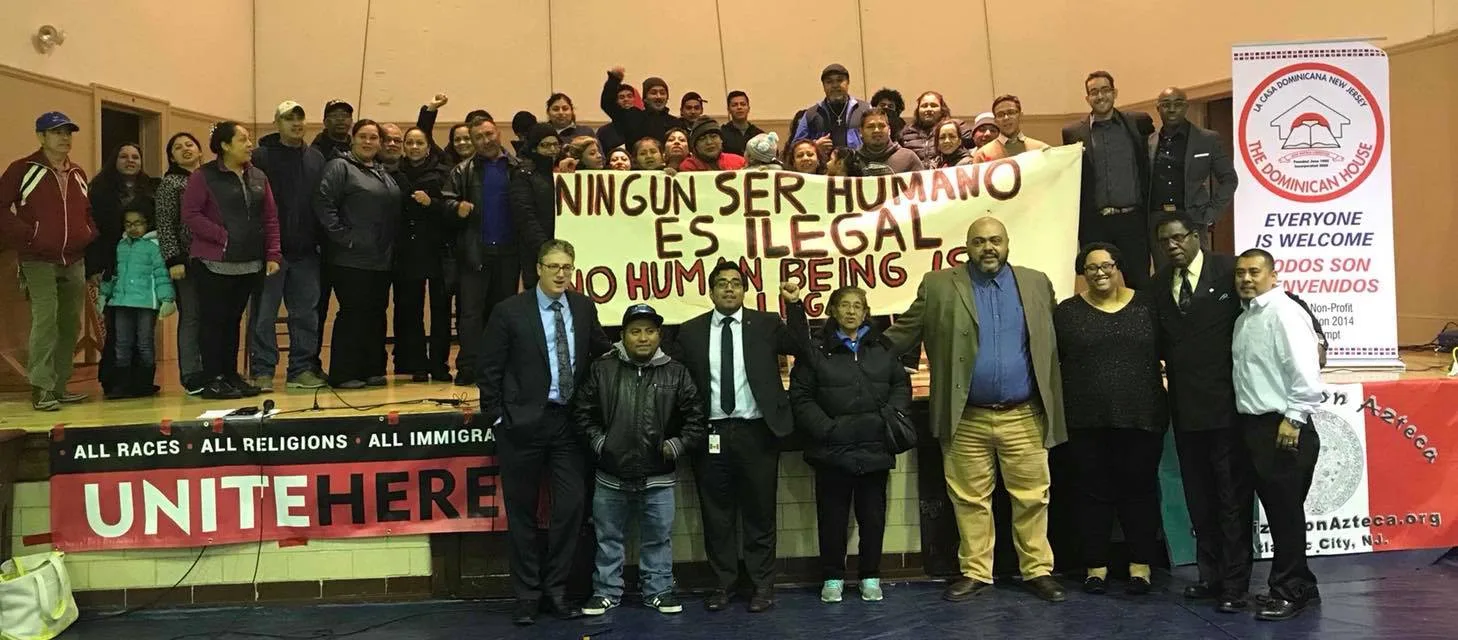
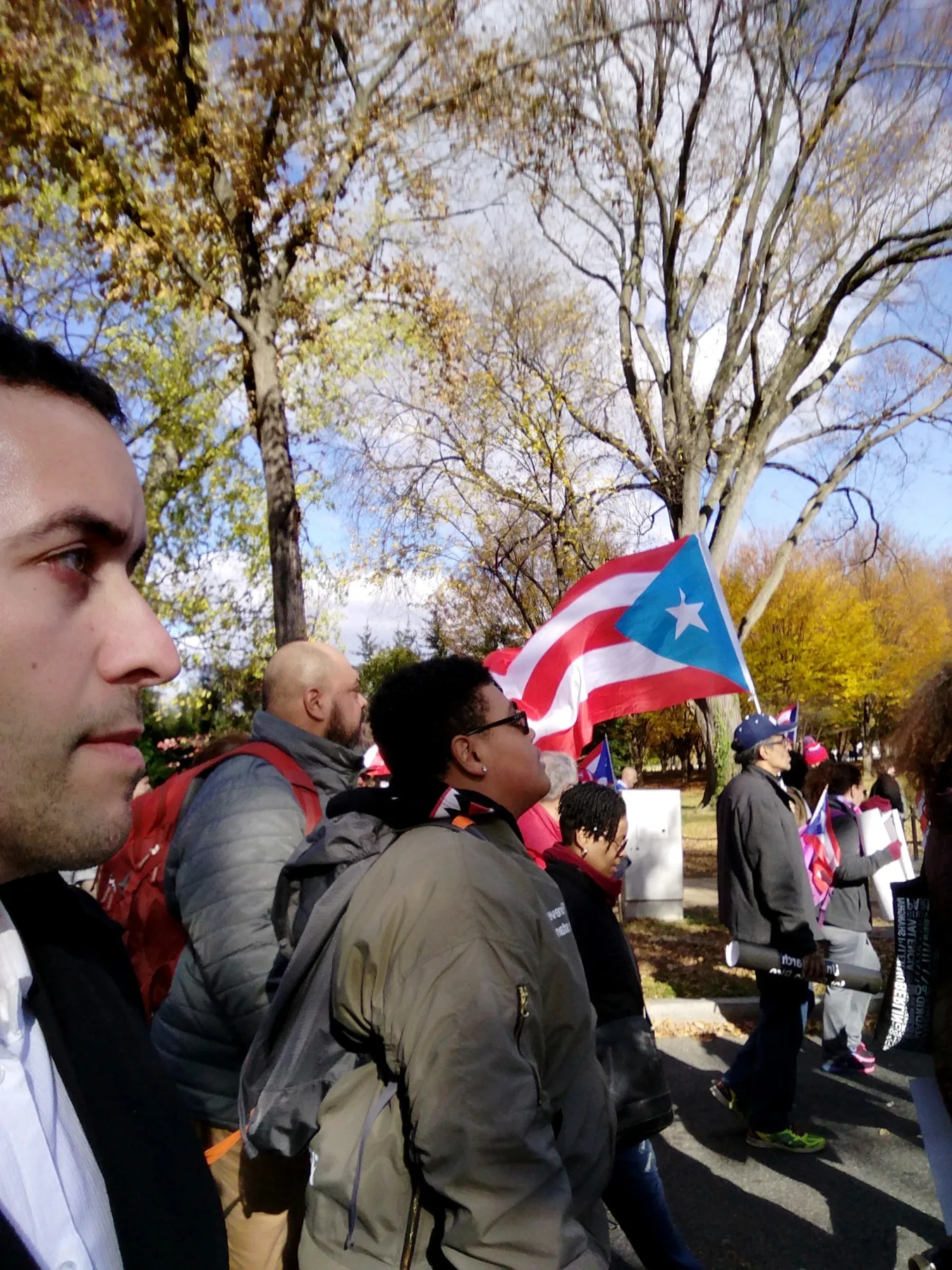
Marching for Puerto RicoImmigration rights seminarStanding up in the street as well as the courtroom.
democracy
Democracy Spring · Washington, D.C.
What stayed with me afterward wasn’t the march itself, but how little attention something so extraordinary received.
Thousands showed up
Thousands of people had organized, marched, demonstrated, and risked arrest because they believed our democracy needed reform.
And yet
Outside that community, much of the country hardly knew it had happened.
What I learned
Protest matters. Advocacy matters. Organizing matters. People standing outside institutions and demanding that they do better have driven some of the most important changes in our history.
Democracy Spring | arrested for civil disobedience.
For someone who’s always been fiercely independent, getting deeply involved in party politics wasn’t an obvious choice. I still don’t believe that belonging to a political party means surrendering your independence or allowing an organization to do your thinking for you. In fact, I think too much of that is part of the problem.
But I came to believe that if I wanted change, I couldn’t spend my entire life asking other people to make that change.
So I got involved locally.
What began with participating in a local Democratic club eventually became helping lead and grow that organization into a full-fledged 501(c)(4) public-interest organization.
And I wanted it to be about more than meetings, elections, or telling people what our values were.
I wanted us to show them.
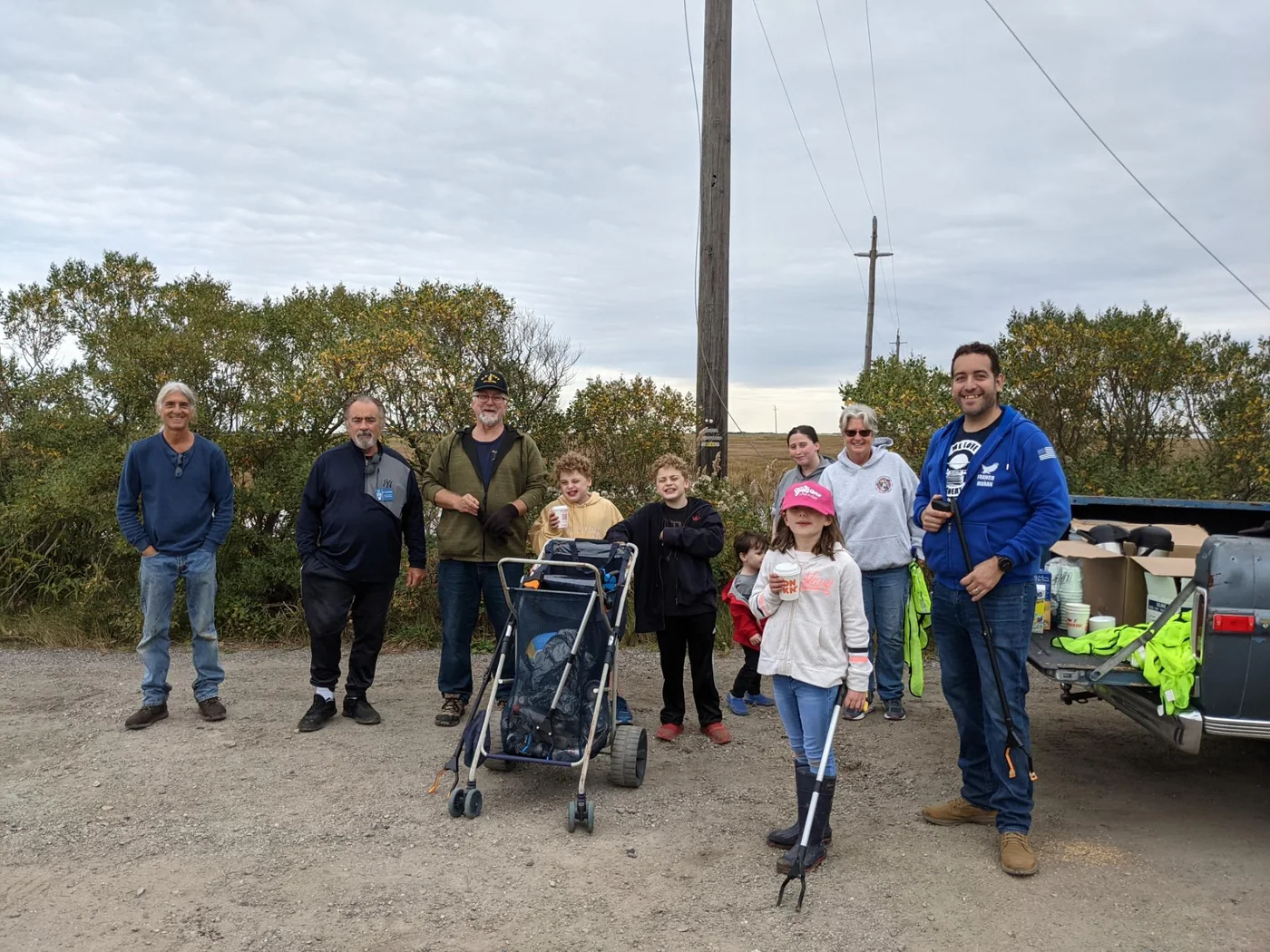
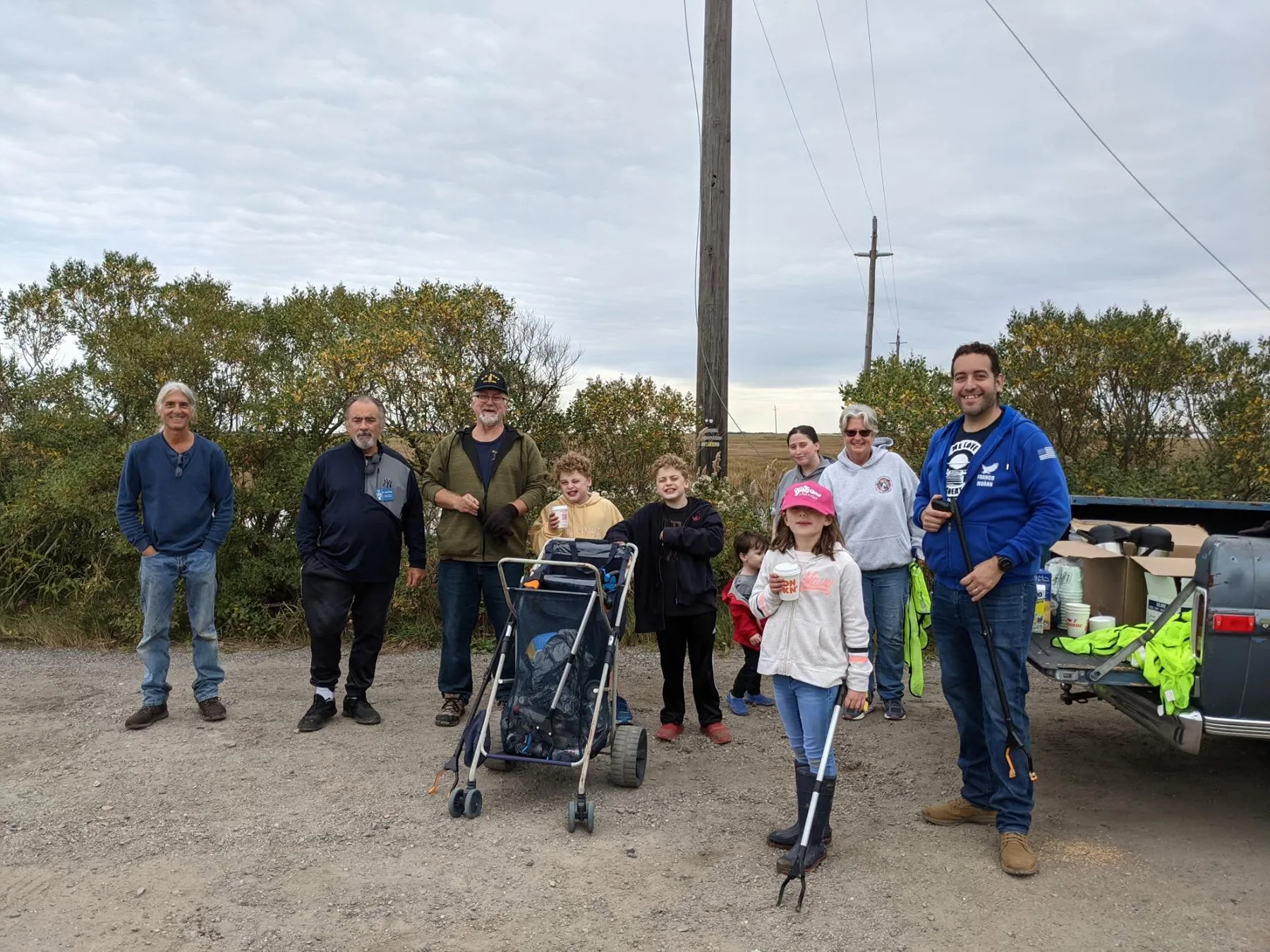
That’s meant organizing community cleanups. Hosting free community festivals and picnics. Food drives, scholarships and charitable efforts. Public programs and civic education. Bringing people together. Organizing around issues that affect our neighbors. And, when necessary, organizing political action around the things we believe need to change.
Over time, my involvement grew beyond that organization as well. I was appointed to the Environmental Commission and my neighbors and fellow Democrats elected me to represent them on the Democratic State Committee and the County Board.
I’m grateful for those opportunities, but for me politics is still always a means rather than an end.
Winning an election, holding a title, or belonging to the right organization doesn’t make anyone a public servant. What matters is what you do with the opportunity.
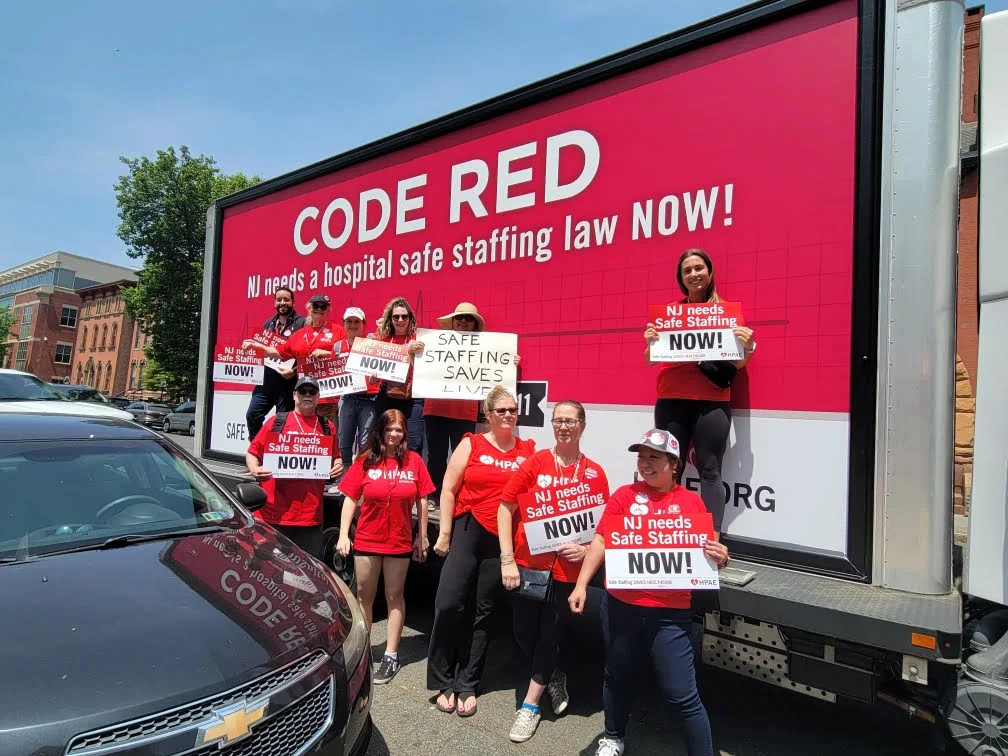
Joining healthcare workers advocating for safe staffing.
Public institutions
Service is my profession.
Today, I'm a career civil servant in New Jersey State Government.
In some ways, it brought together many of the things I’d spent years thinking about from the outside: how institutions work, why they sometimes don’t, how policy becomes reality, how technology affects people's experiences, and how decisions made far away eventually reach someone standing at a counter simply trying to get something done.
Most government work isn’t glamorous.
It happens in offices, schools, courtrooms, hospitals, public works yards, and thousands of ordinary interactions between people and the institutions that serve them.
But those ordinary interactions matter.
A government that works well makes life easier, safer, or more secure. A government that doesn’t can destroy lives and erode our fundamental freedoms.
PeoplePolicyTechnologyProcessService
The thread running through all of it
Looking back, my path probably makes more sense to me than it does on paper.
Humanitarian work in the Amazon doesn’t obviously lead to business. Business doesn’t obviously lead to law. Law doesn’t obviously lead to nonprofit work, political reform, community organizing, or government operations.
But I’ve never thought about my life in terms of professions.
I’ve thought about problems.
01
How do we give someone an opportunity they might not otherwise have?
02
How do we make an organization better at accomplishing its mission?
03
How do we make government more responsive to the people it serves?
04
How do we build communities in which people actually know and care about one another?
05
How do we make democracy work a little more like the ideal we were taught it was supposed to be?
I certainly don’t have all the answers.
What I do have is a belief that institutions matter, but people matter more. That opportunity shouldn’t depend entirely upon the circumstances into which someone was born. That public service belongs to all of us, whether we practice it through government, charity, politics, our professions, or simply by helping the person standing next to us.
And that this country should work for everyone who calls it home.
There are easier ways to summarize all of that.
The one I’ve used for years is probably still the best:
I work with folks who want to make the world a better place.I’m still trying to do my part.
Beyond the story
A Little More About Gabe
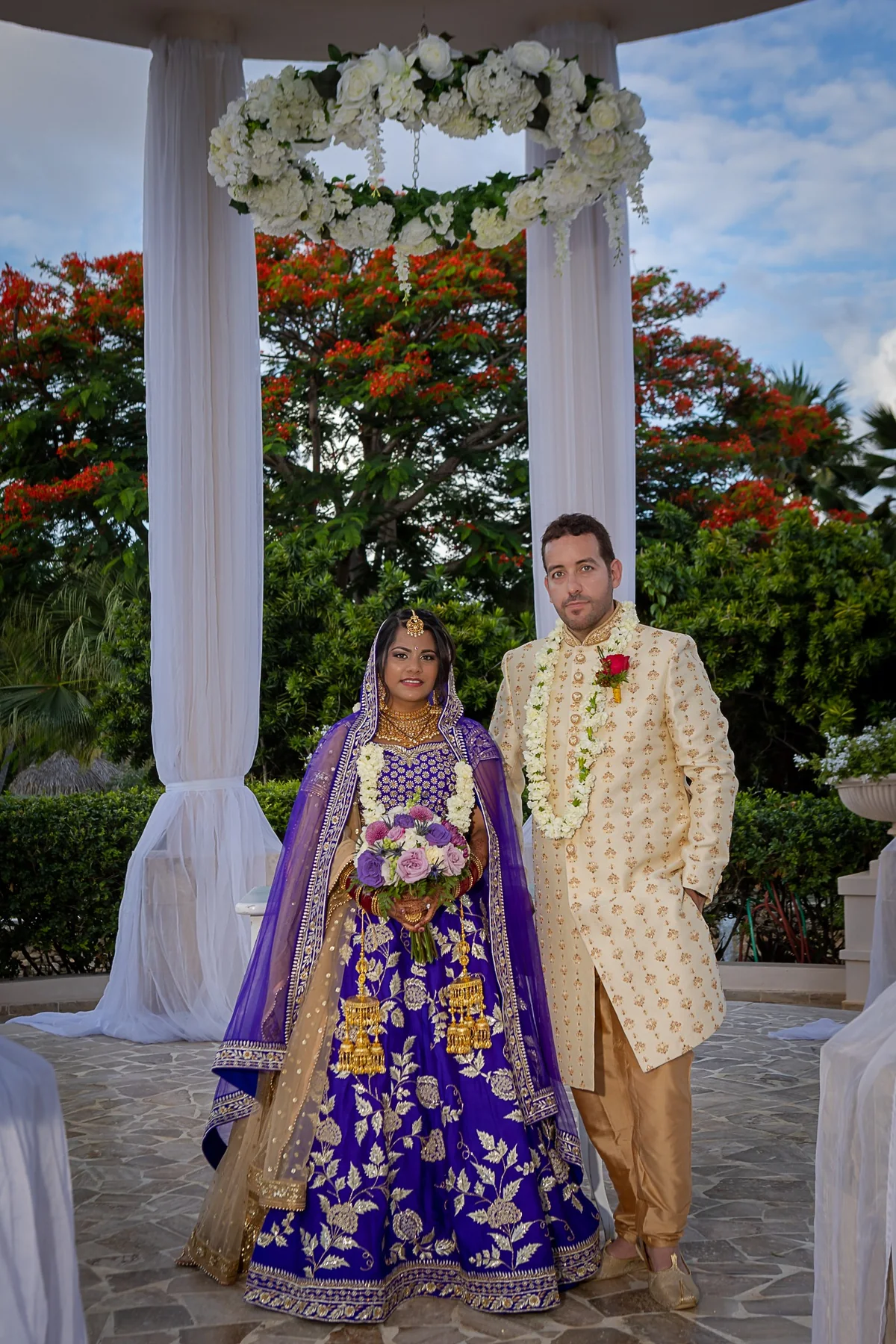
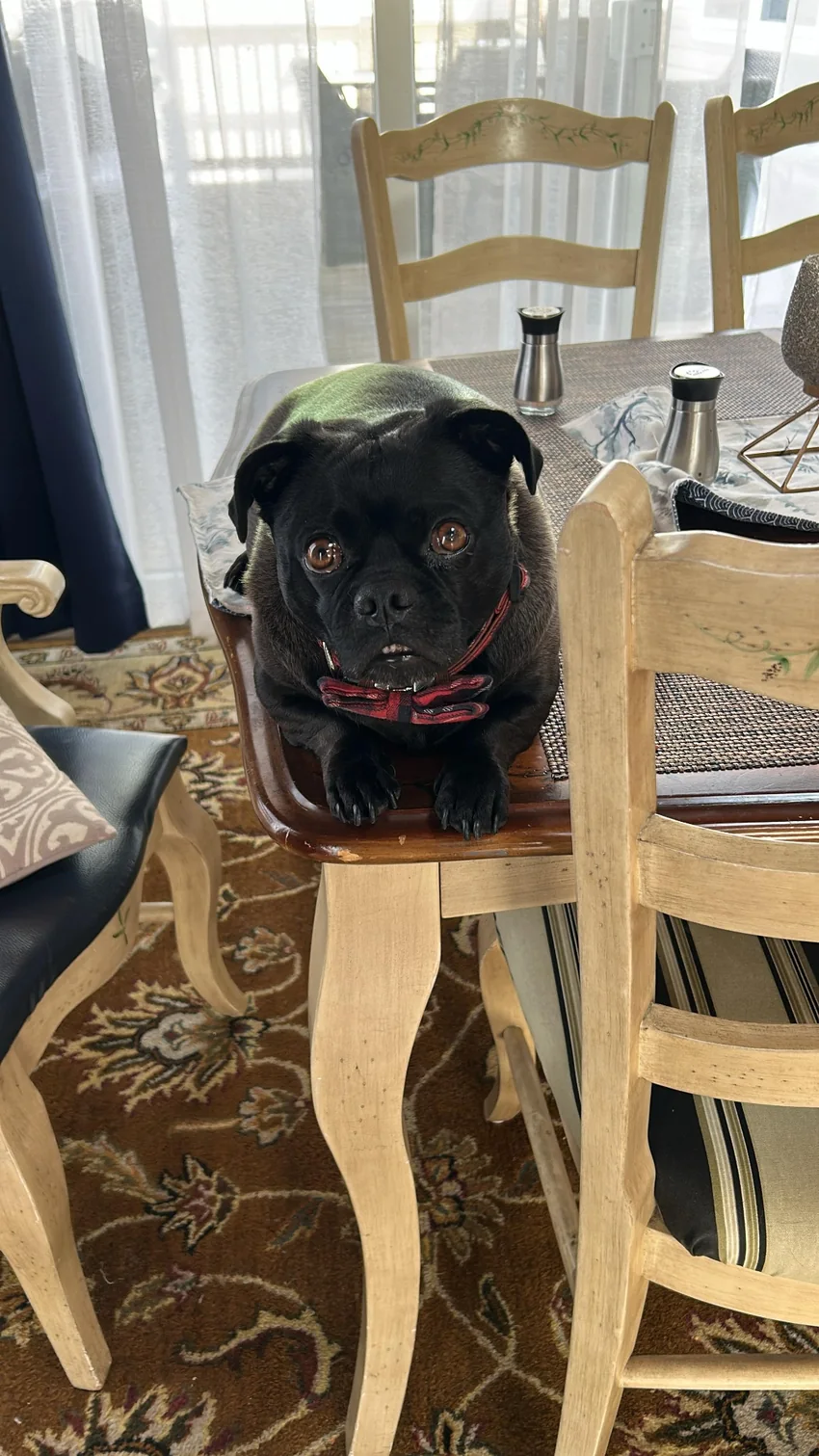
Gabe lives in Mystic Islands, New Jersey, with his wife, Dimple, and their dog, Russell.
He holds undergraduate degrees in Criminal Justice, a Juris Doctor, a Master of Business Administration, and a Master of Science in Information Technology.
Away from work and public service, he’s a lifelong tinkerer. He enjoys restoring and rebuilding things, fabricating parts, experimenting with electronics and technology, and inventing solutions in search of a problem.
He’s also a lifelong lover of making music, mixed media art, adventure travel and learning.
Gabriel remains active in civic life and is a candidate for the New Jersey State Senate in 2027.
Home · projects · music
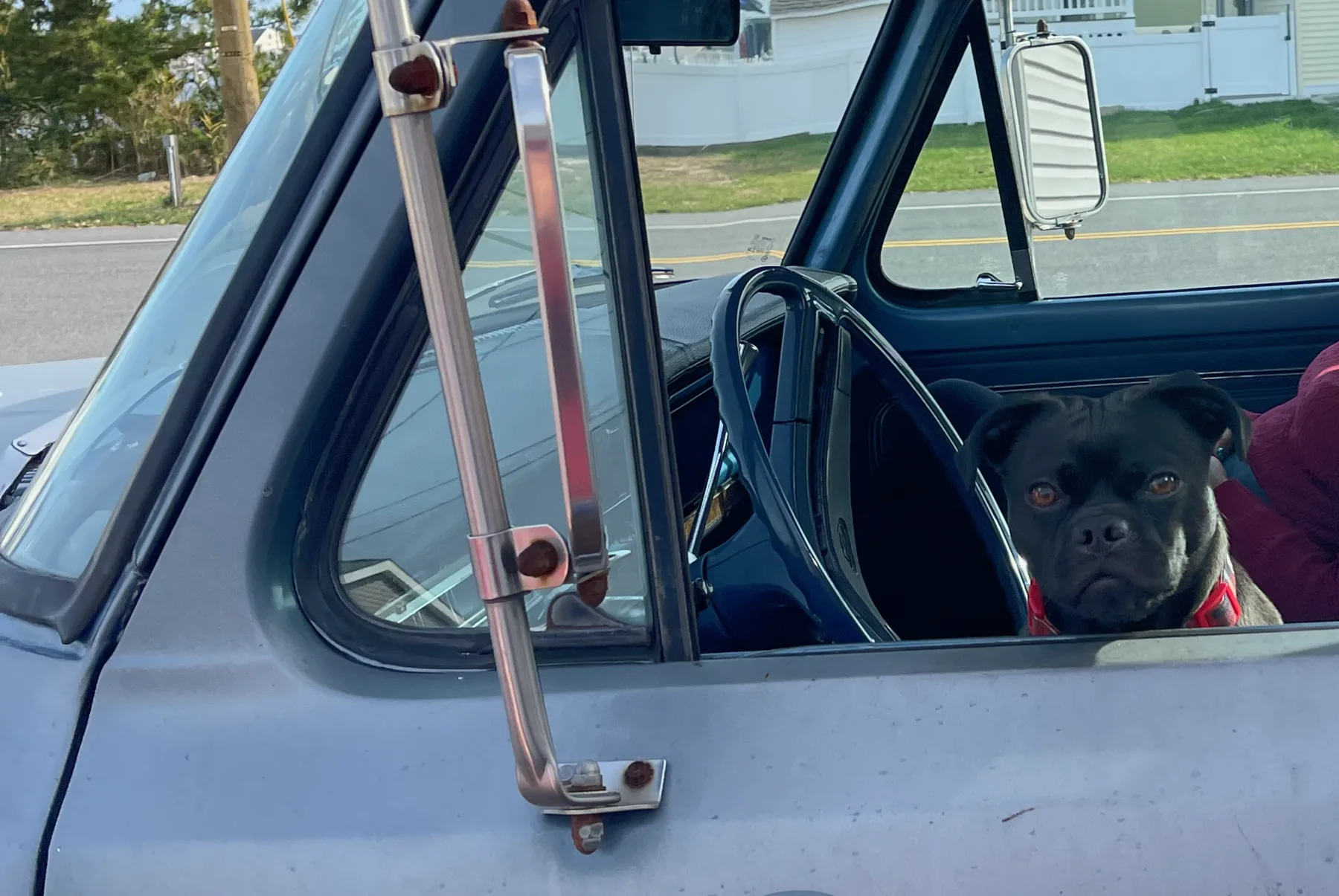
Russell
A very serious member of the household, and occasional supervisor of the truck project.
Hands-on
Making old things new
Most of these started with some version of “I wonder if...” My favorite hobby is learning what I don’t know, occasionally breaking things, and figuring out how to make an idea work to build something. This taught me woodworking, welding, sound engineering, electronics, 3D modeling, programming and a bunch of other very random skills.
Music · restoration
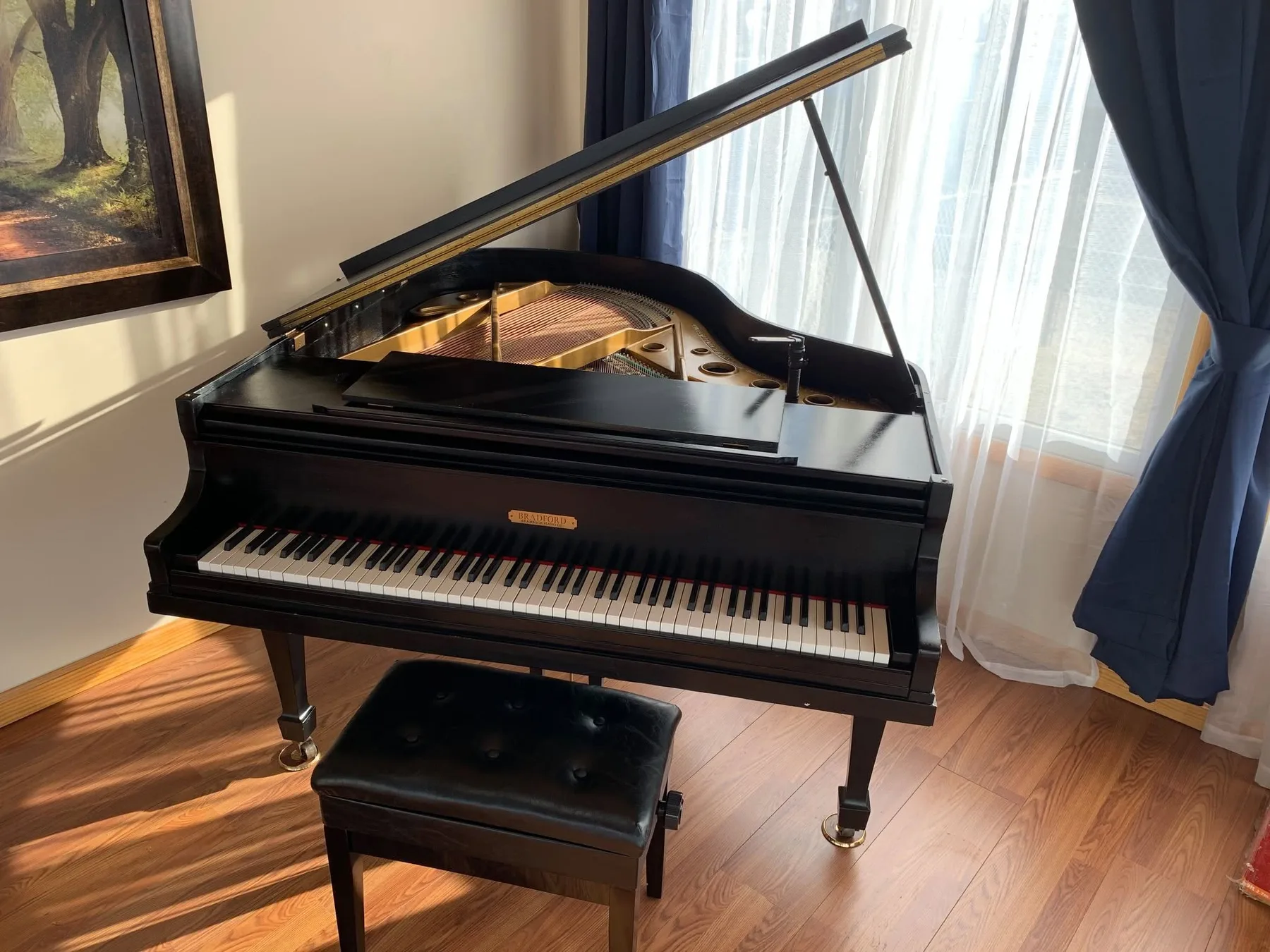
The Piano
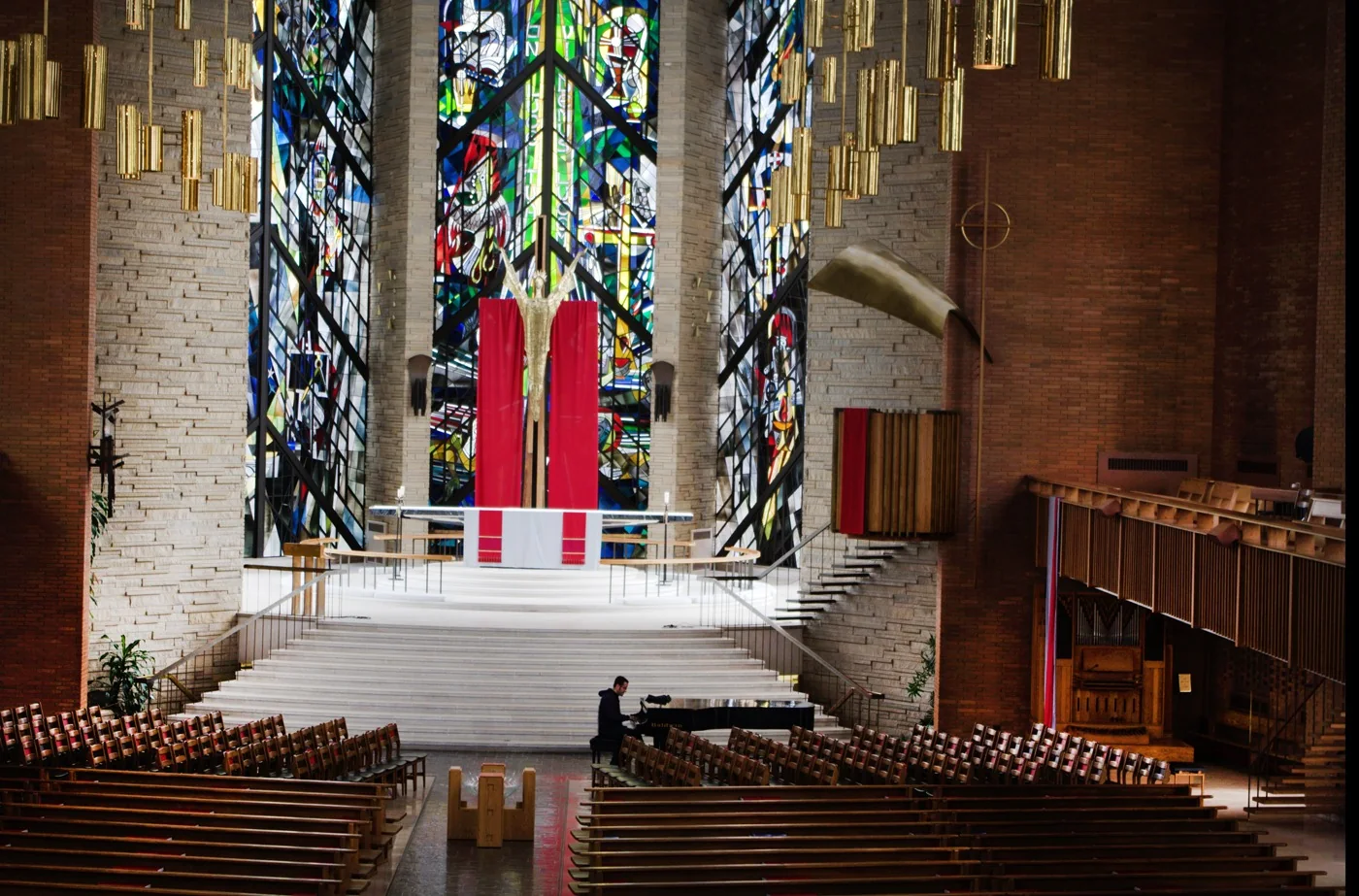
I taught myself how to play the piano in high school on an old, out-of-tune spinet. At Valparaiso University, the campus was practically littered with grand pianos, and I loved being able to sit down and bang away at them to decompress. From then on, I knew a piano would be one of the first things I wanted when I eventually had a home of my own.
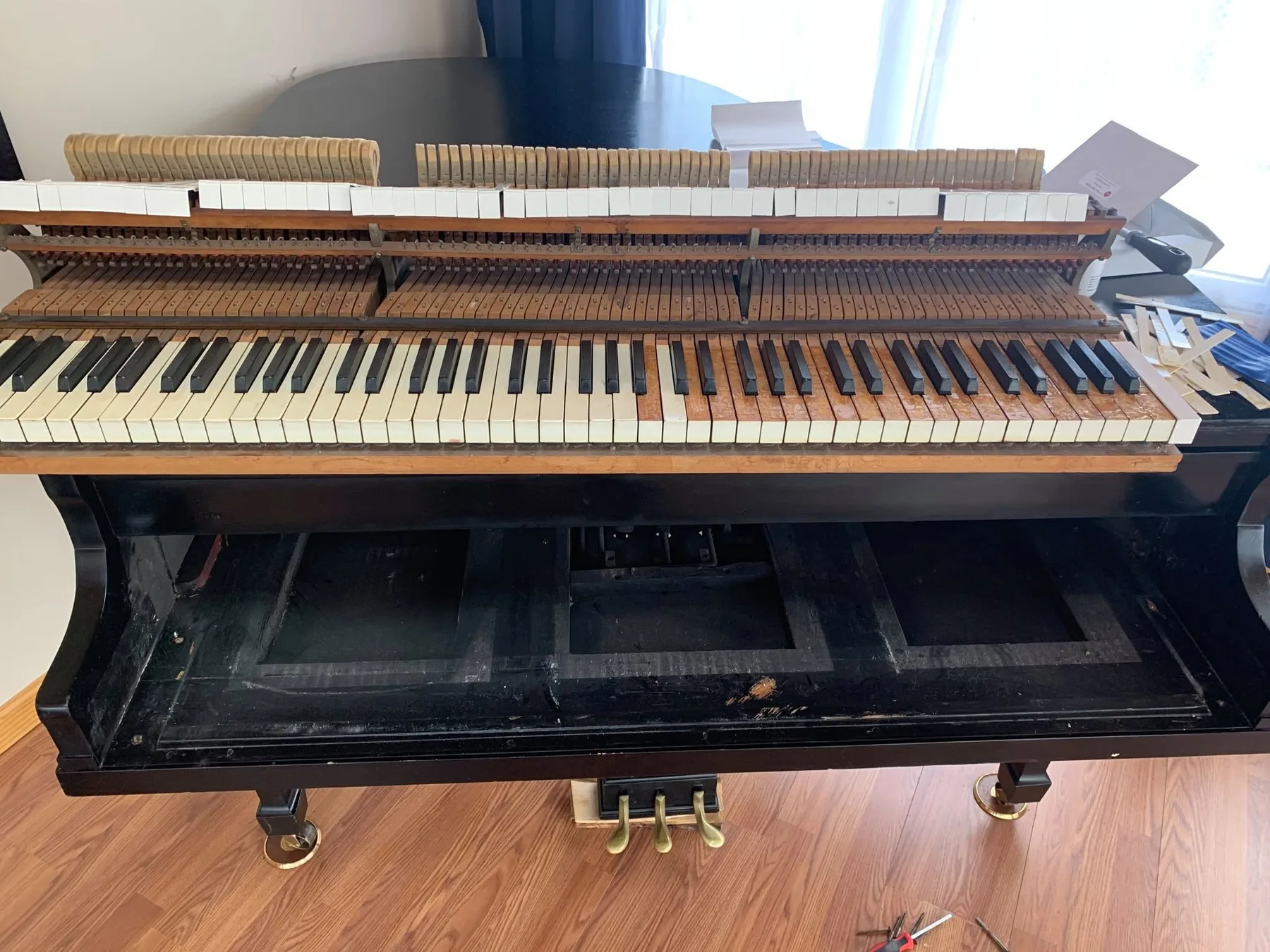
After I bought our house and finally had the space, I found a 70+ year-old broken grand piano headed for the dump. I brought it home instead and brought it back to life.
Made in NY by Brambach Piano Co. 1823-1957.
Build notes
Early 19th Centurey Brambach
Hands-on mechanical restoration
Pegboard repaired and restrung
Action and keywork disassembled
Cabinet and finish restored
Returned to playing condition
Cars · restoration · restomod
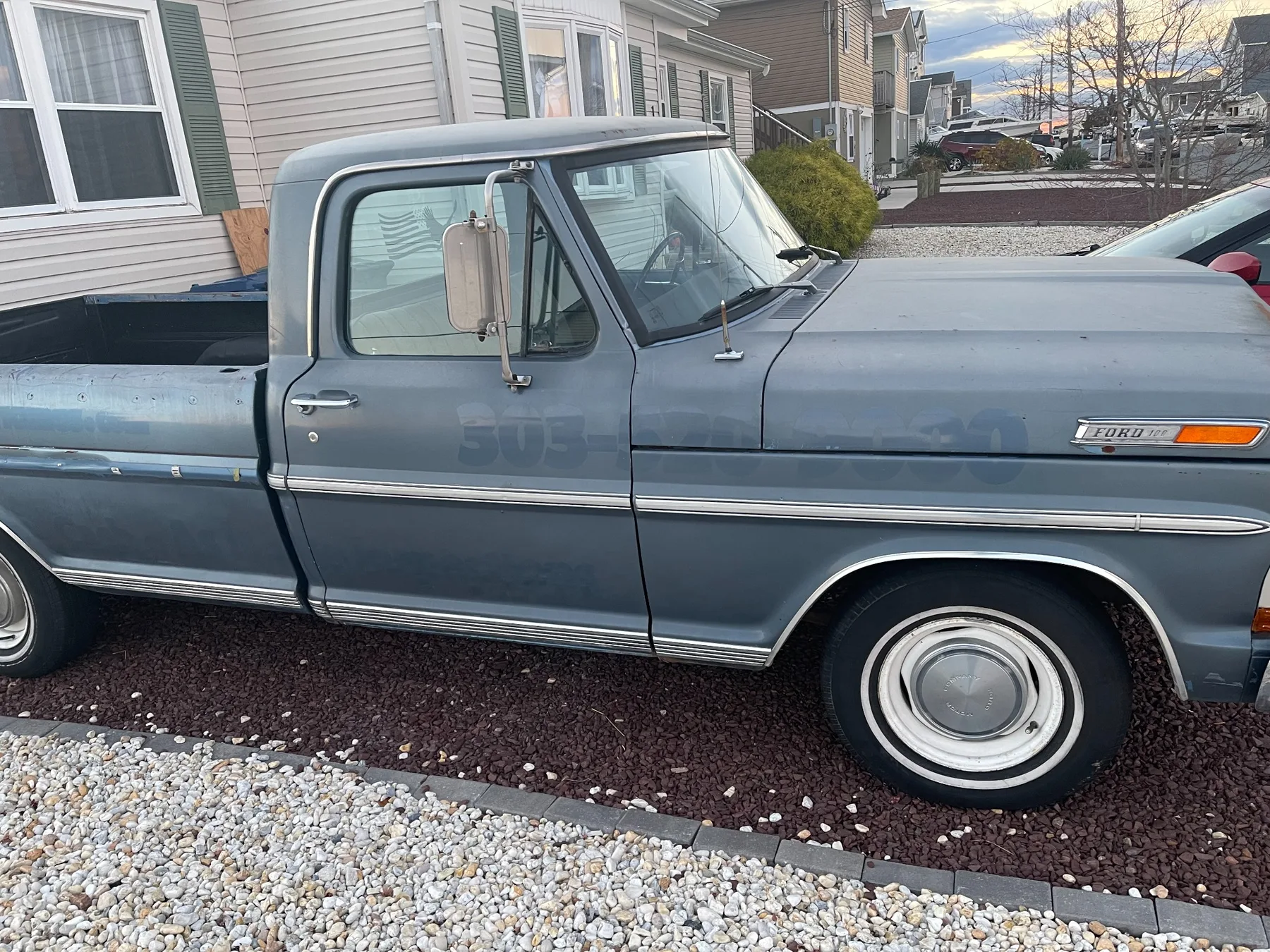
The Truck
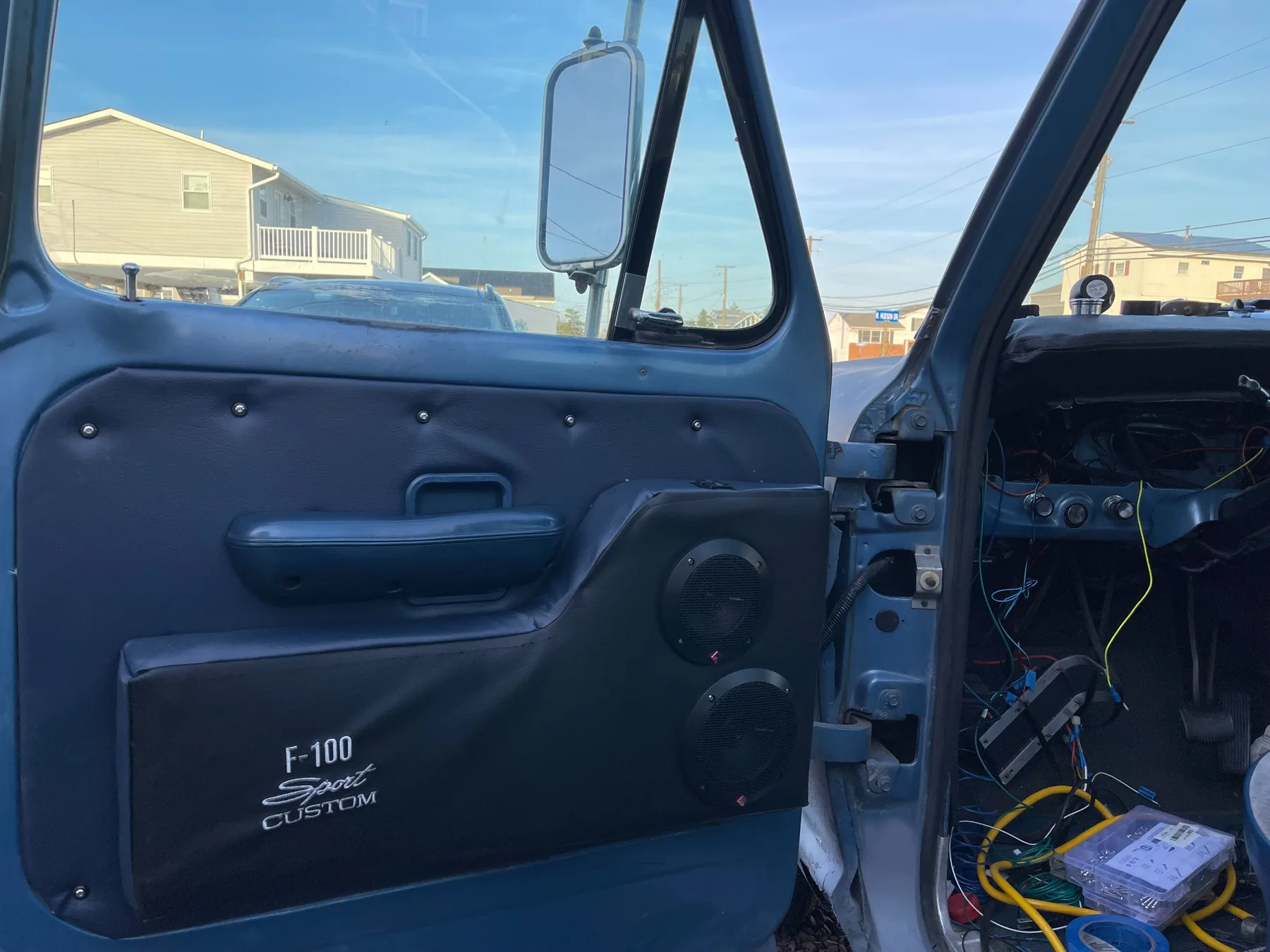
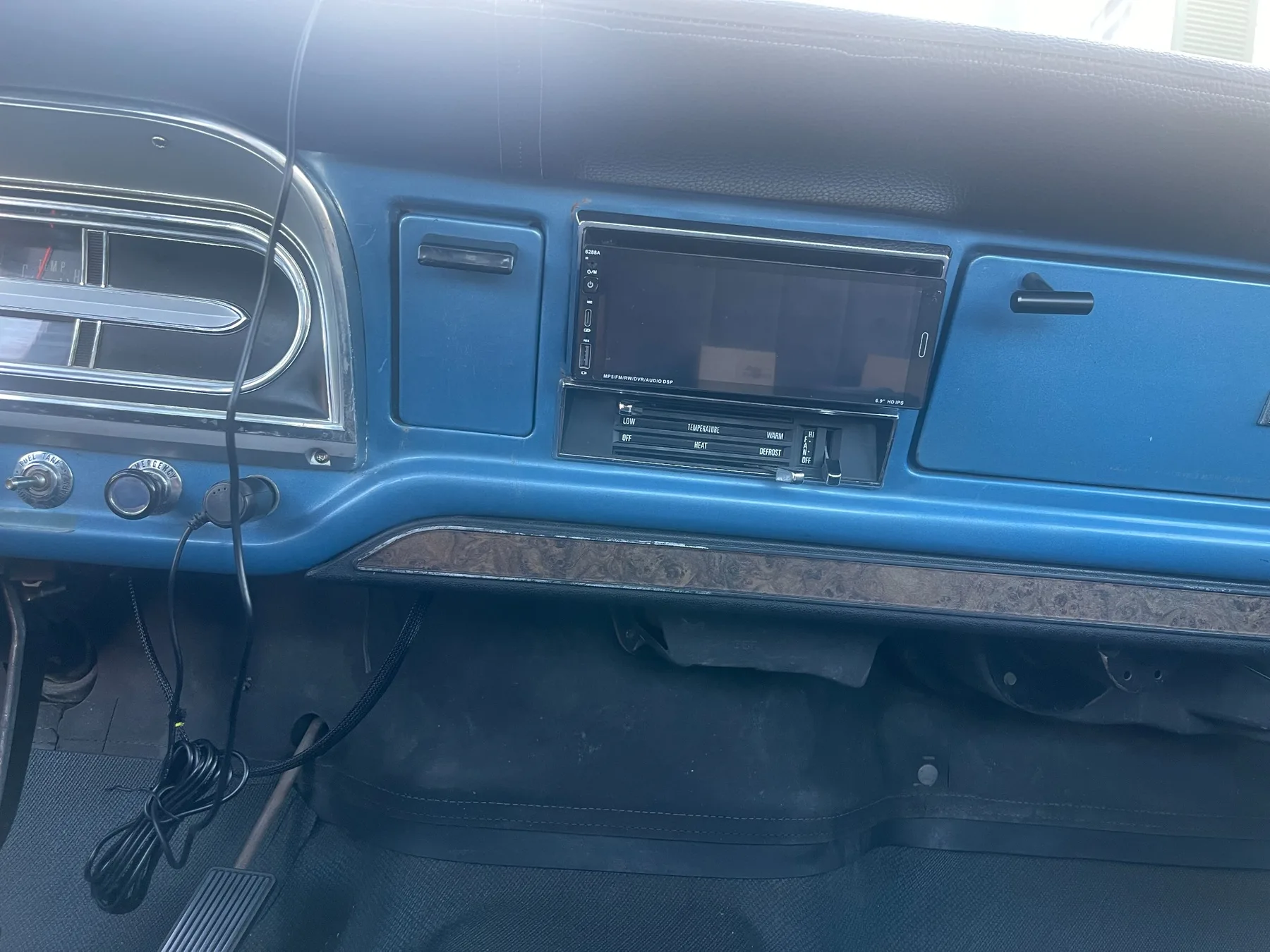
On a road trip through Pennsylvania, we picked up this 1971 Ford F-100 and gambled on driving it the 300 miles back home. I had every intention of converting it to electric, and still may someday. But once I got it running, it felt a little criminal to tear out a perfectly good 360 FE.
So for now, it’s a long-term restomod.
The “Driver” view features the project’s least qualified test pilot.
Build notes
Factory 360 V8
Rebuilt carburetion with four-barrel carburetor and aluminum intake
Fabricated door panels and hand-stitched interior details
Power windows, power locks and keyless entry
5-way speakers and subwoofer
LED headlamps and tail lamps
Custom interior lighting and GPS
3-point seatbelts and ongoing body work
Electric heat and air conditioning planned
Possible full electric conversion someday
Computers · fabrication · nostalgia
The computer
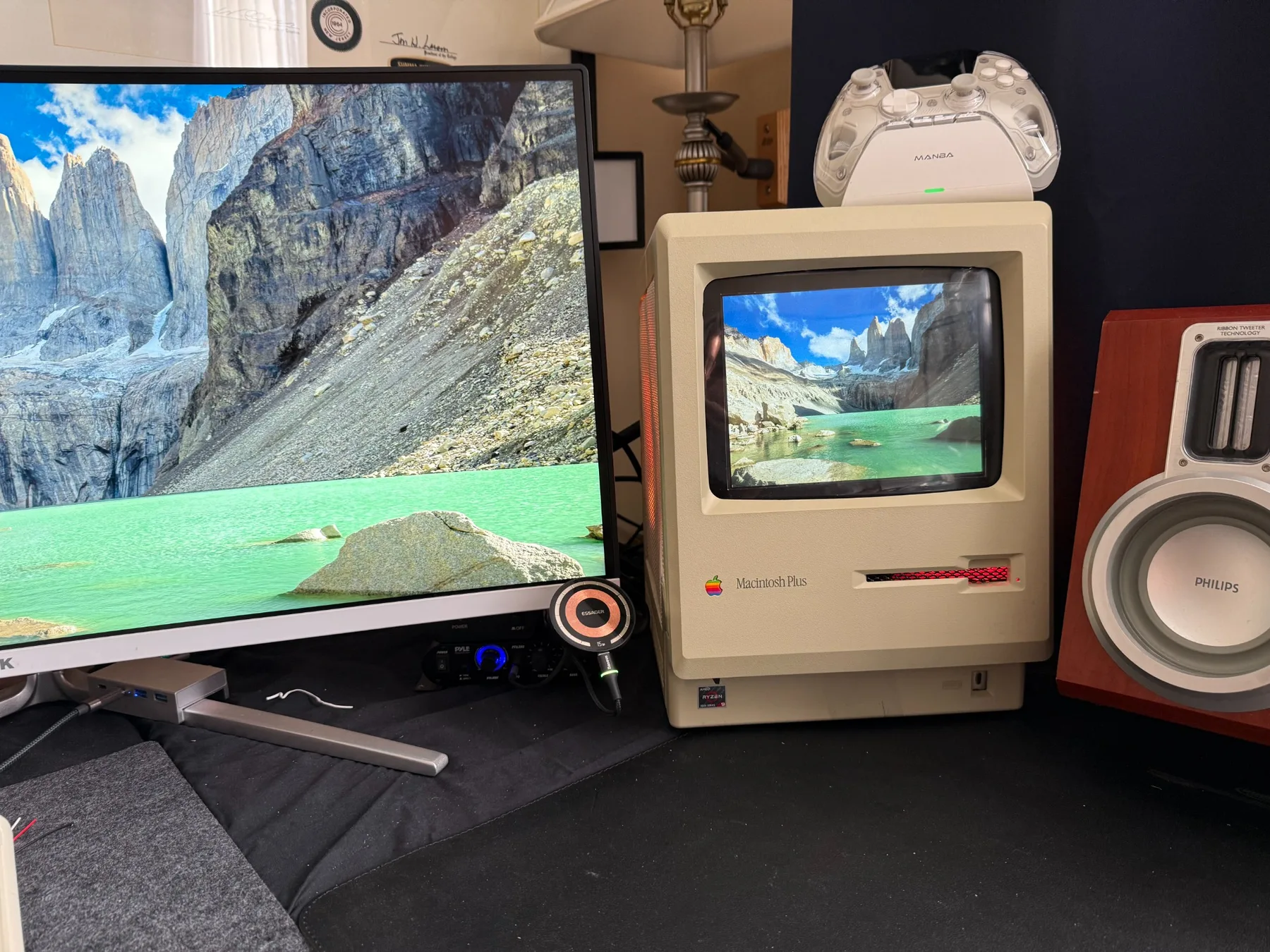
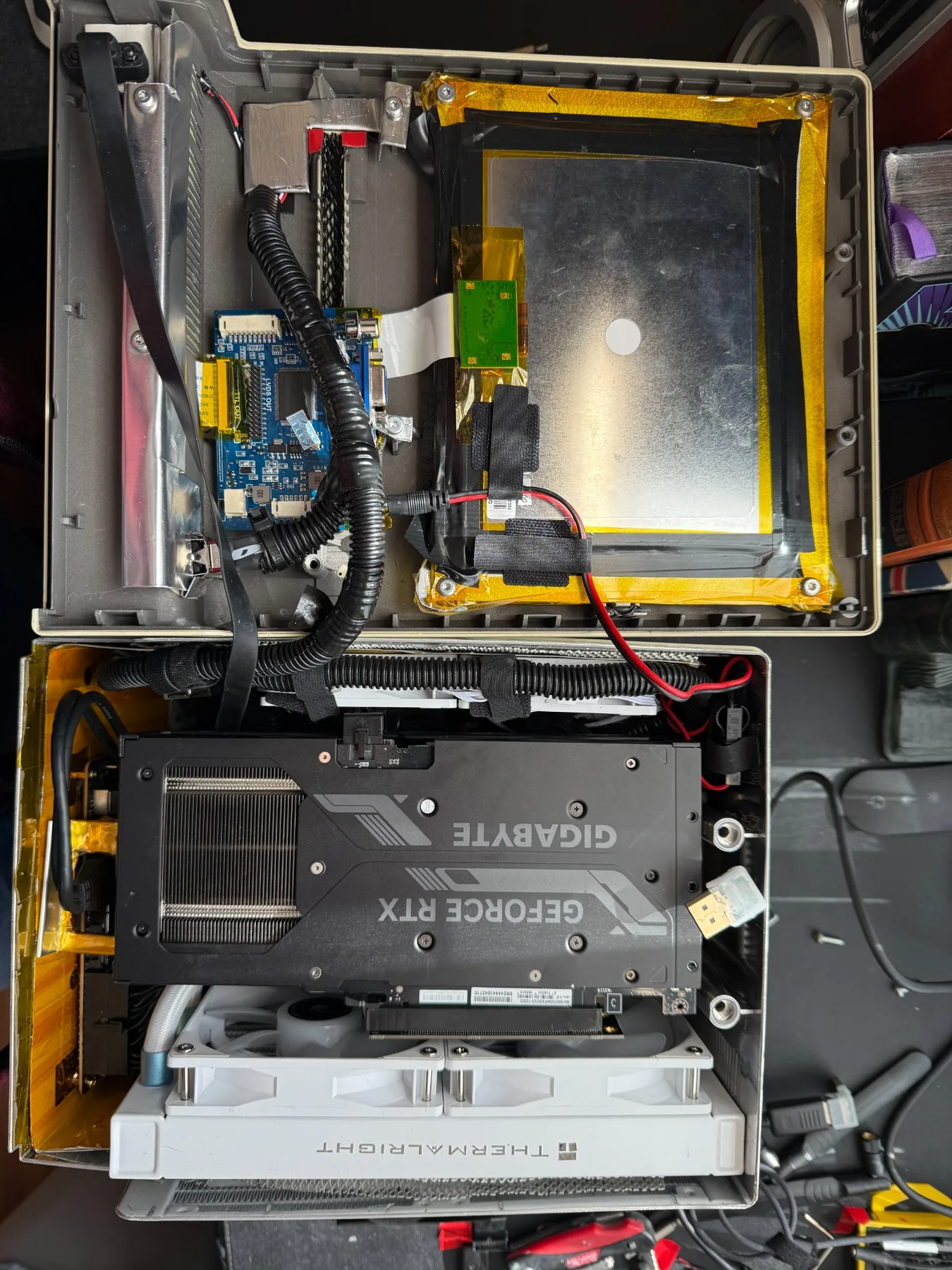
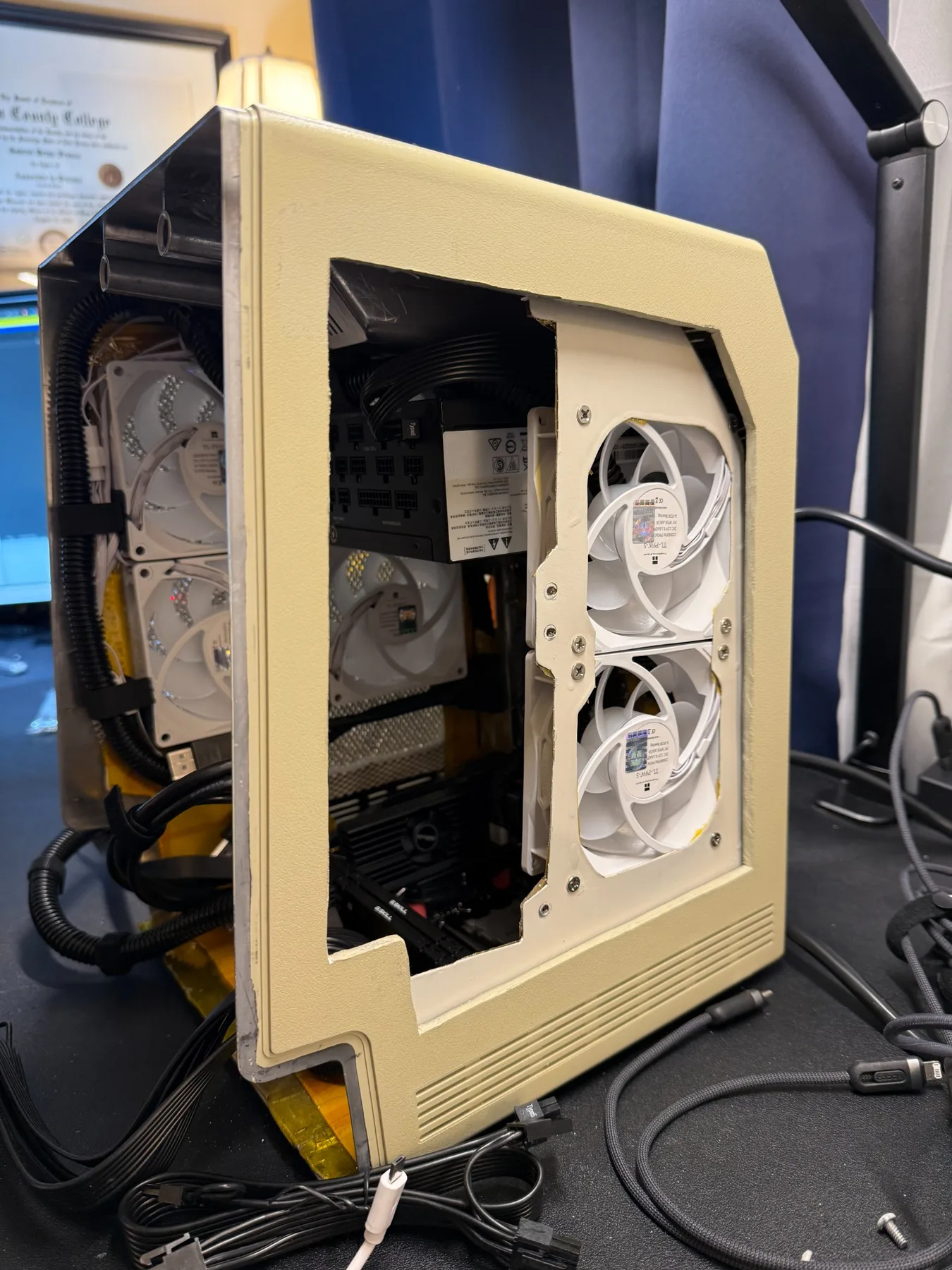
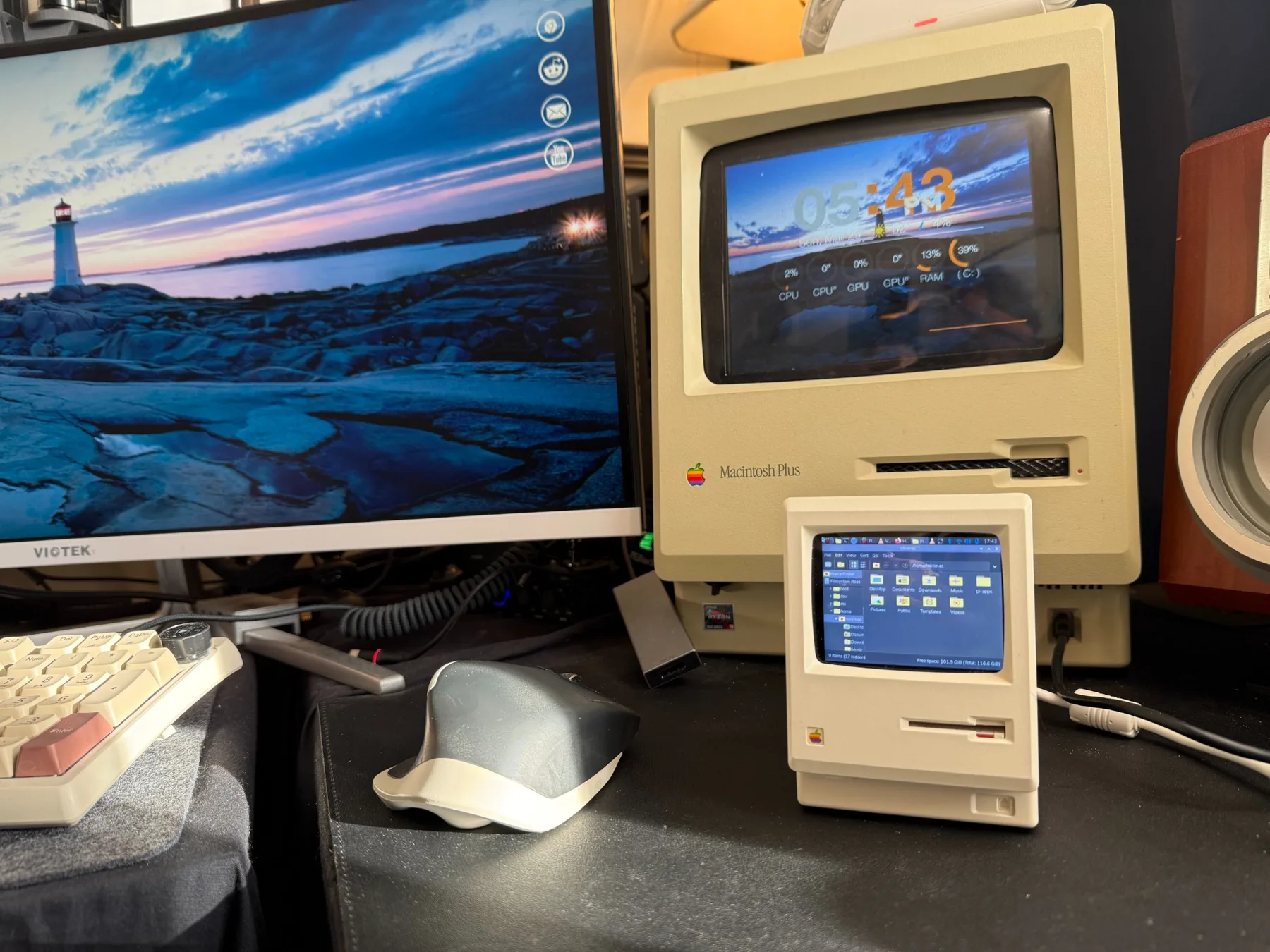
This is my current workstation. The first computer I remember using for school was an Apple Macintosh Plus in middle school, and it was already ancient even then. Decades later, putting a modern PC inside one started as a nostalgic idea and became an exercise in figuring out just how much computer I could fit into a roughly 25-liter case without compromising anything.
Cutting, soldering, hand fabrication, custom parts, a custom LCD, airflow experiments, and a fair amount of engineering went into making it work. The real challenge was fitting a water-cooled Ryzen 9 and full-length RTX 4080 inside without cooking everything. The current version has an external RTX 5080, but the little beige Mac still looks almost like it did in 1987.
50 Hours and I only cut myself once!
Build notes
Original 1987 Macintosh Plus enclosure
Ryzen 9 7000-series processor
96 GB memory and 4 TB storage
Corsair SFF 1000 W power supply
240 mm AIO with two 120 mm RGB fans
Six 80 mm RGB case fans
Handmade aluminum ITX motherboard tray
Custom ARGB
Custom wiring, soldering and display integration
First iteration: internal full-length RTX 4080
Current iteration: external RTX 5080
Electronics · playful engineering
A tiny Macintosh Plus
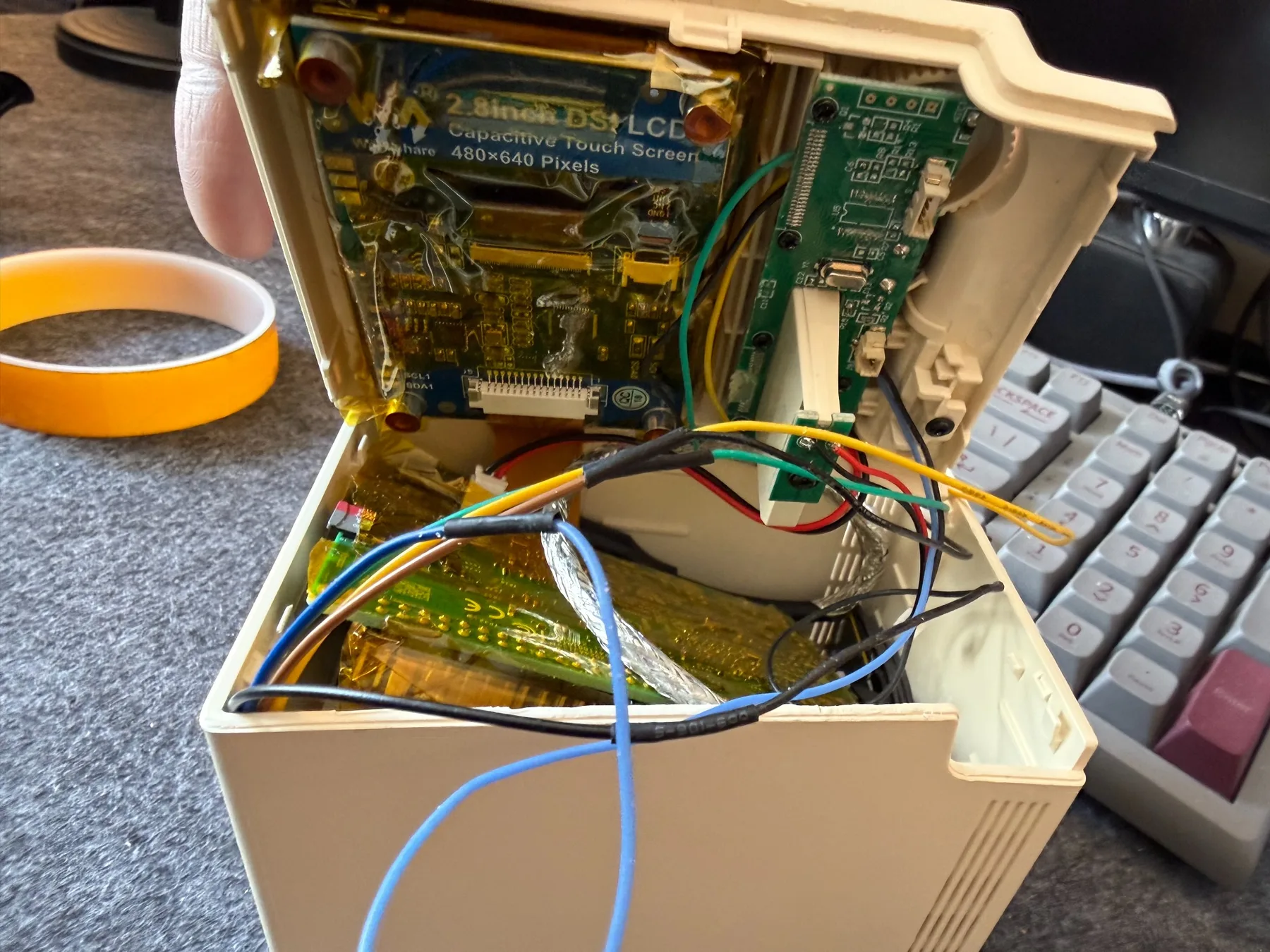
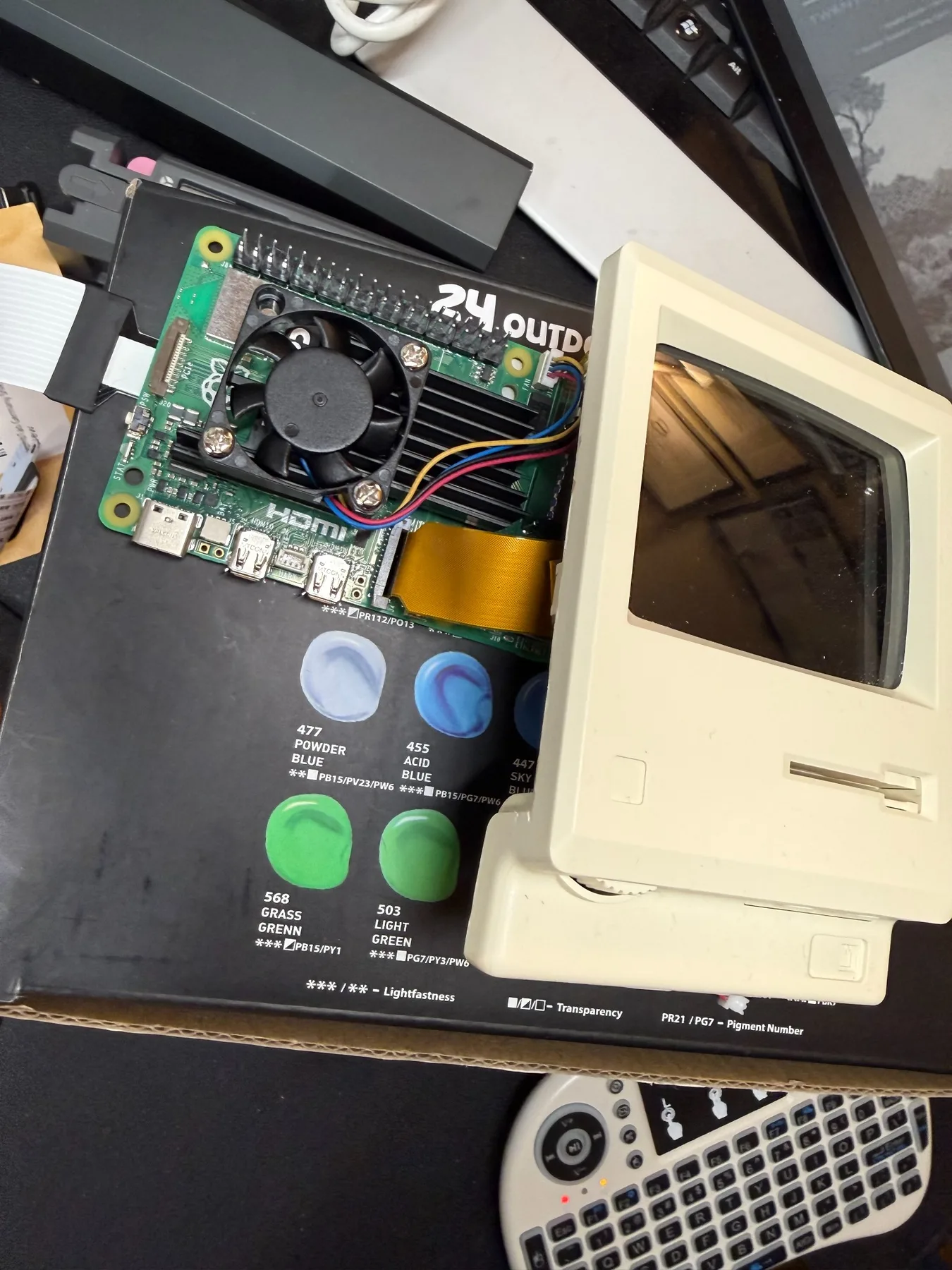
The tiny Mac was one of those “why not?” projects. It turned into a MacClock into a working miniature Mac PC. I kept the original radial dial and buttons all working by hacking (apart) the clock’s PCB and learning how Raspberry Pi GPIO pins work. I have more computers than I know what to do with, so now it is mostly an expensive bookshelf curio.
“Runs on Linux.
Build notes
Raspberry Pi 5
Original radial dial and buttons retained
Heavily modified original clock PCB
Custom-routed internal wiring
Built-in rear I/O hub
USB-C, USB-A, HDMi and SD access
Fabricated interface PCB
Original USB-C port reused for power and USB 2 data
Audio · restoration · fabrication
The radio
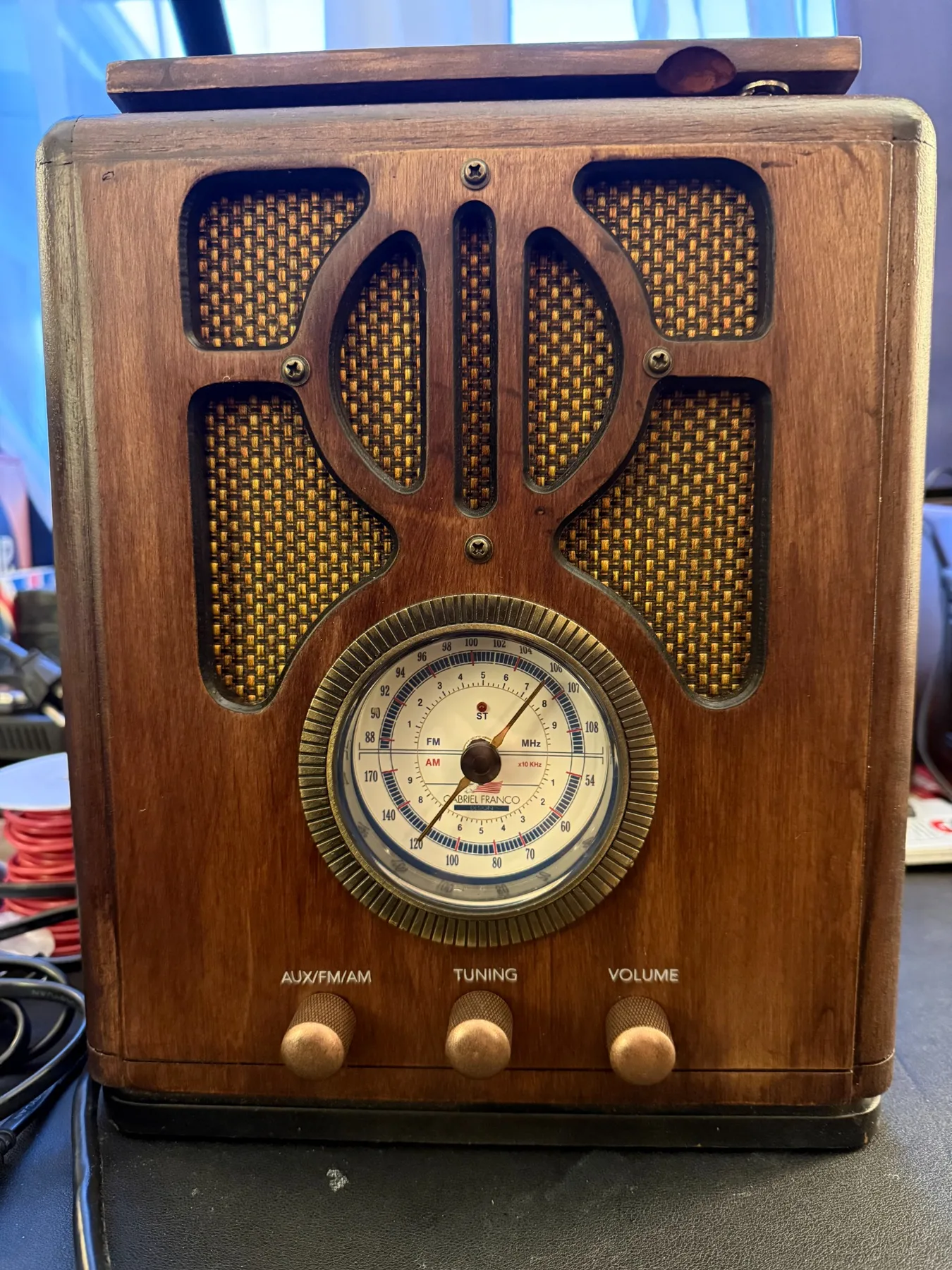
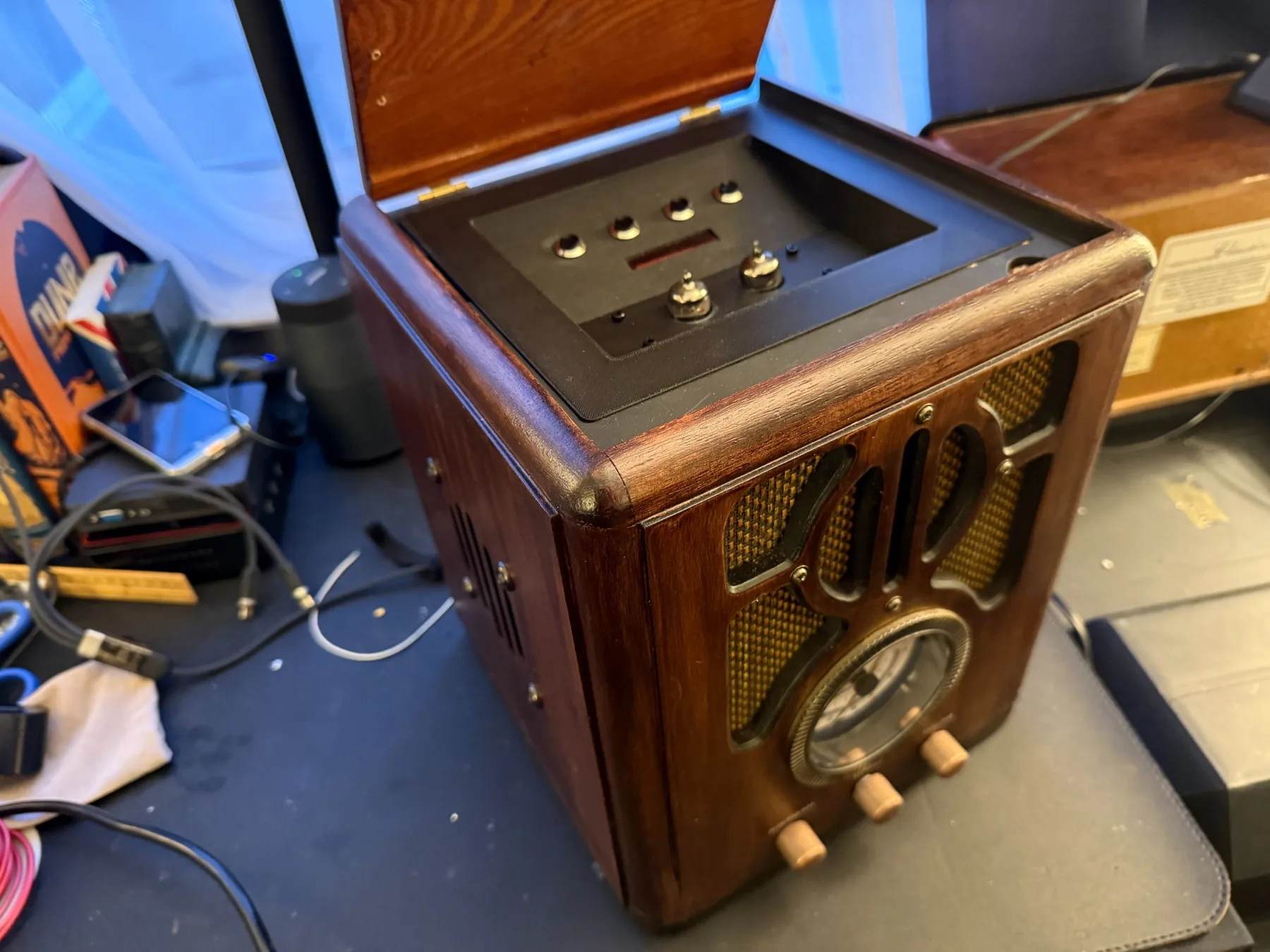
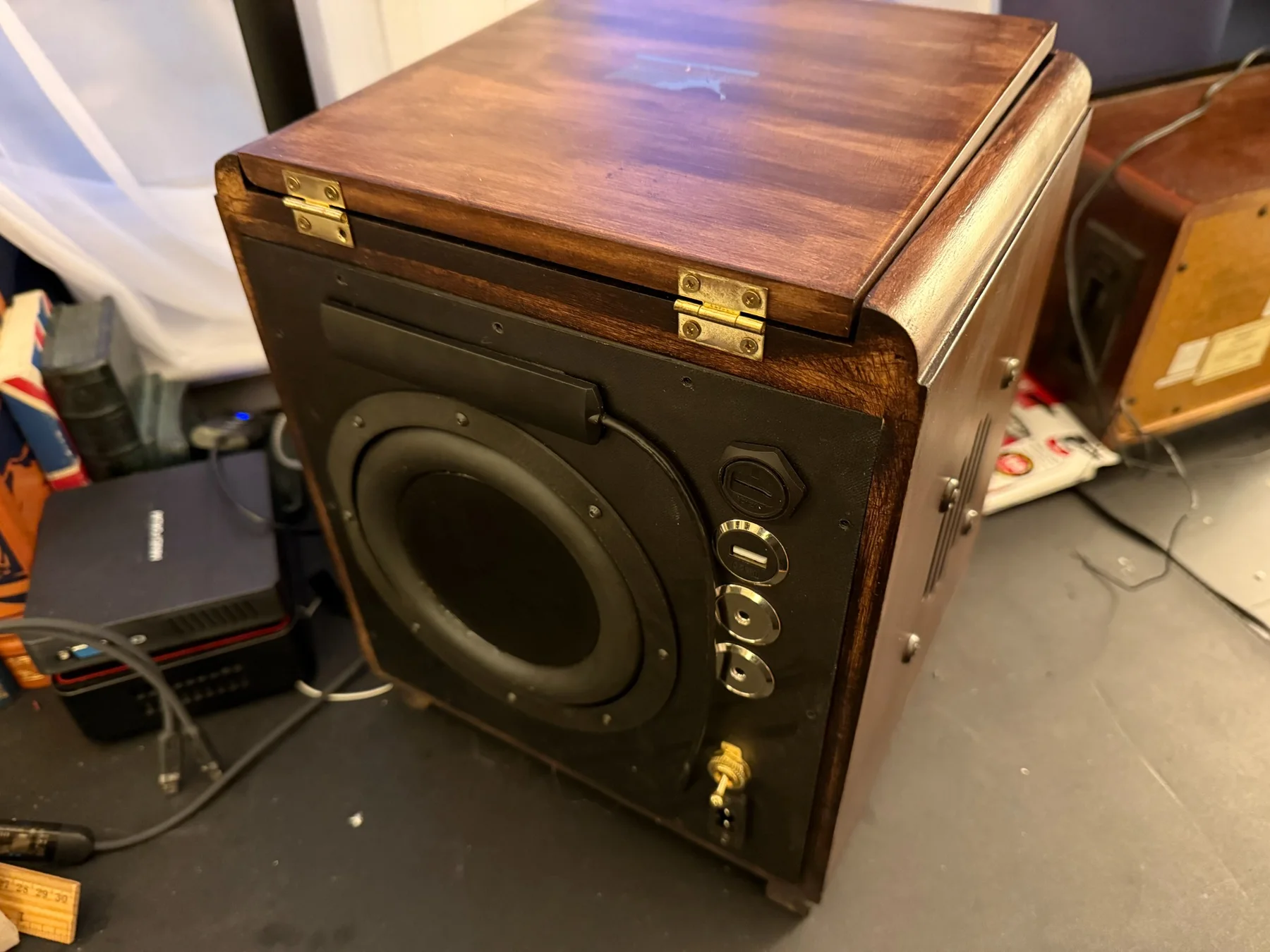
This is my second attempt at making a vintage radio modern. The first sent me down a rabbit hole learning about sound engineering and how to get the most out of tiny speakers. This one became the more ambitious sequel that put almost every hobby skill I have to work
The only original bits are the wood and part of the original circuitry.
30 Hours, only 1 blown up transformer.
Build notes
Roughly half of the original electronics removed (Only original AM/FM circuitry retained)
Cabinet refinished and internally sealed
Integrated Tube preamp
Bluetooth and auxiliary inputs
Fabricated passive subwoofer enclosure
New hardware throughout
Music
Music
Classical music, piano, and a collection of recordings shared on SoundCloud.
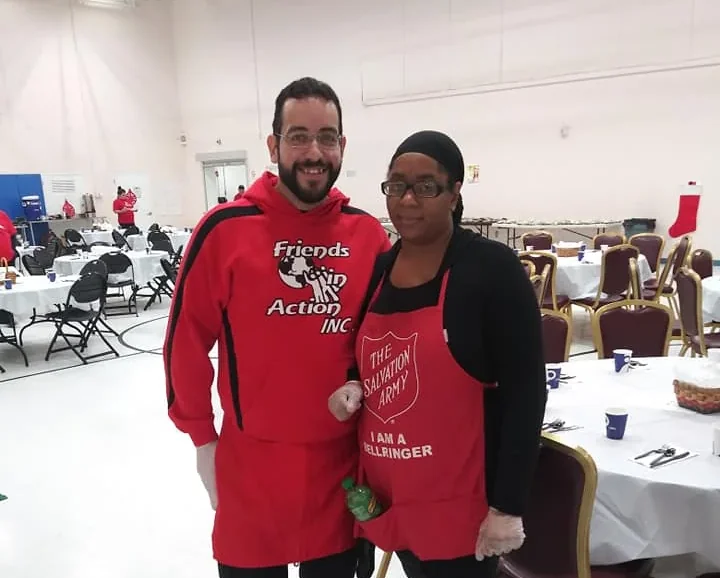 Serving meals with the Salvation Army
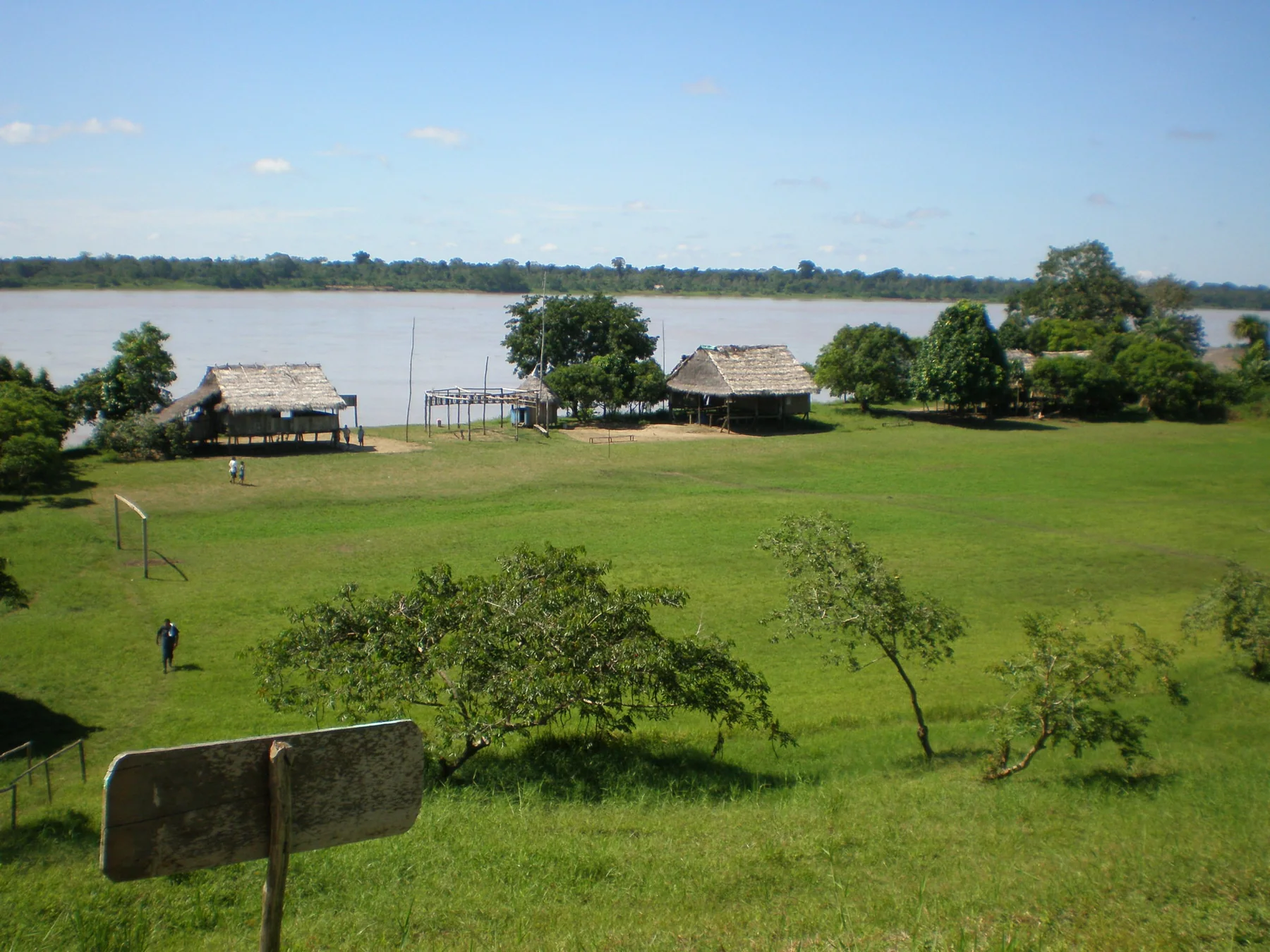 The Amazon
 Peru
Peru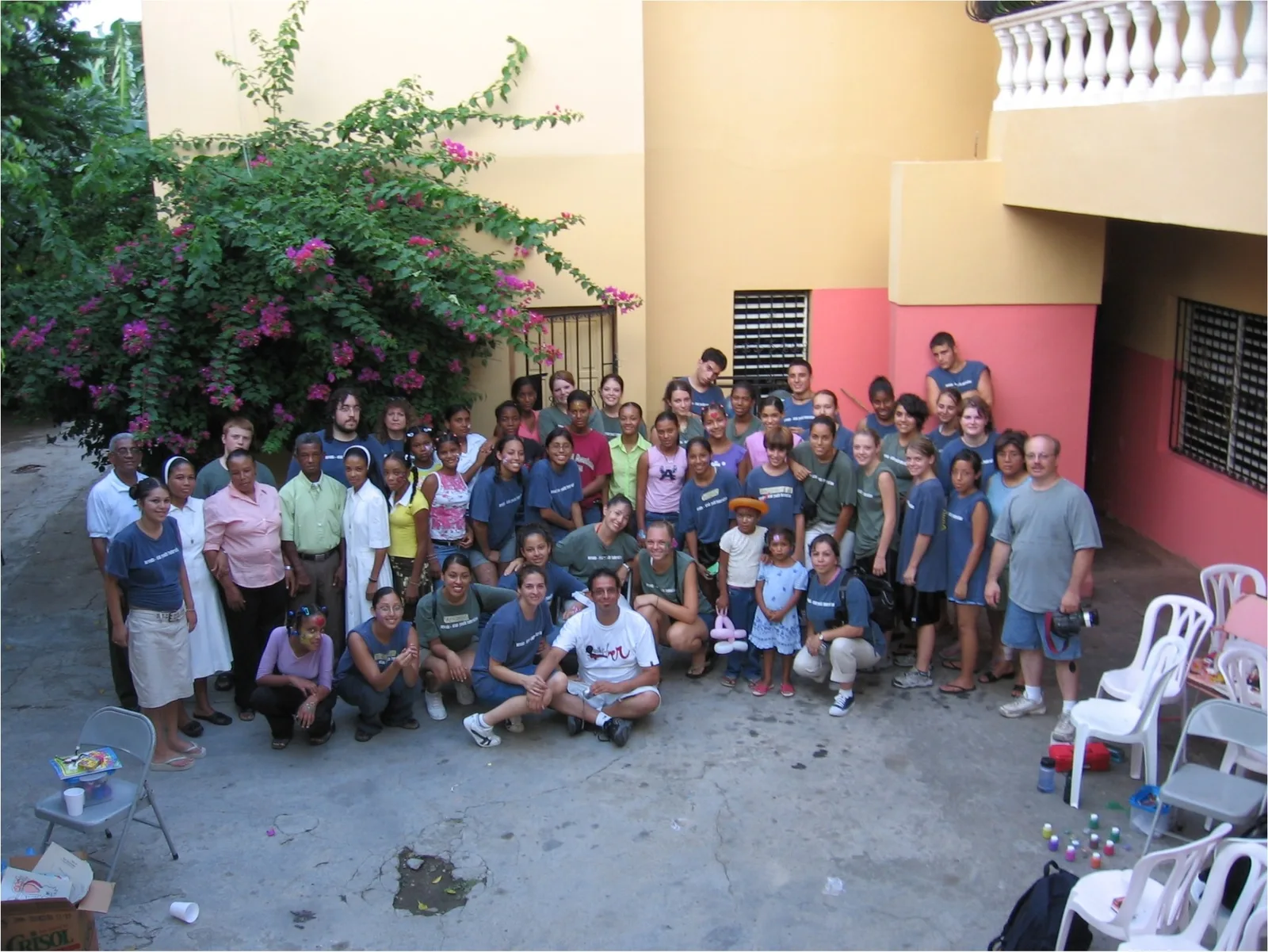 Dominican Republic
 The mission field